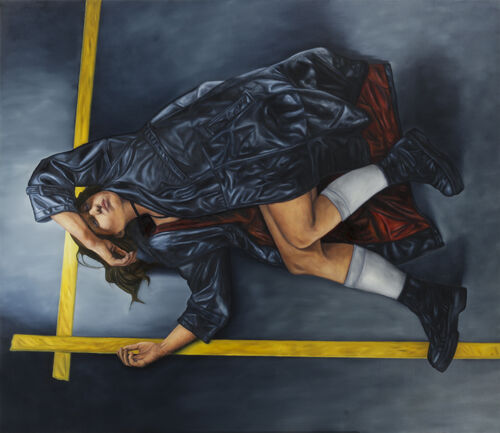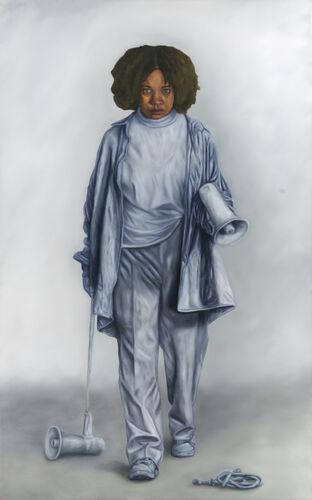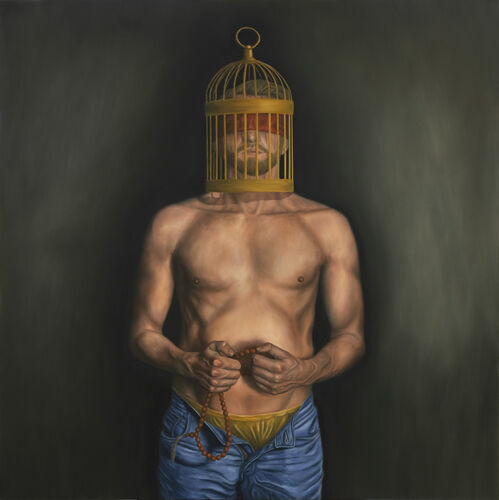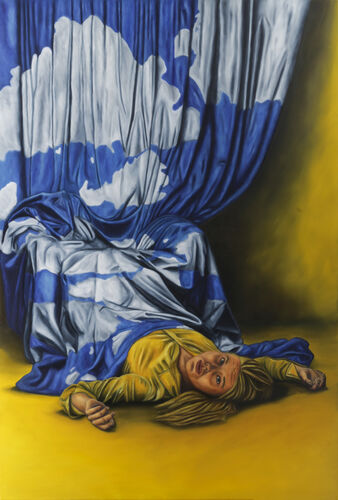


The artist Billie Zangewa is best known for her intricate collages consisting of hand-embroidered fragments of raw silk, as well as her figurative compositions that explore identity and question historical stereotypes, objectification as well as the exploitation of the black female figure. Lehmann Maupin Gallery is dedicating a total of two exhibitions to the artist this autumn, which will be on view at different locations. From 10 November 2021, the London branch will show Billie Zangewa. Running Water, a collection of works that visualise changes in education, work and everyday life brought about by the pandemic. In the collages presented, Zangewa explores the seemingly mundane aspects of her daily life - including meditating in the garden, working on the patio, sitting in bed to comfort her son; even the simple act of putting on and taking off her shoes each day. The works thematically build on the themes of the second exhibition, Billie Zangewa: Flesh and Blood, which will be on view at the gallery's Seoul location from 18 November 2021. Together, the two exhibitions represent the unique times and radical changes resulting from the corona pandemic, offering two perspectives on domestic life - the communal and the intimate. They also coincide with Zangewa's first major solo museum exhibition in the United States, Billie Zangewa: Thread for a Web Begun. The exhibition Billie Zangewa. Running Water can be seen at Lehmann Maupin Gallery's London location until 08 January 2022.
Born in Blantyre, Malawi in 1973, Billie Zangewa studied printmaking at Rhodes University in South Africa, where she still lives and works. She uses her understanding of textiles to depict personal and universal experiences through domestic interiors, cityscapes and portraits. After the birth of her son, Zangewa began creating her familiar domestic motifs to shift her focus from introspection and femininity to motherhood and the home. Zangewa often references scenes or experiences from daily life, explaining that she is interested in depicting the work of women that keeps society running but is often overlooked, undervalued or ignored.