© Nationalmuseum, Stockholm, Foto: Cecilia Heisser
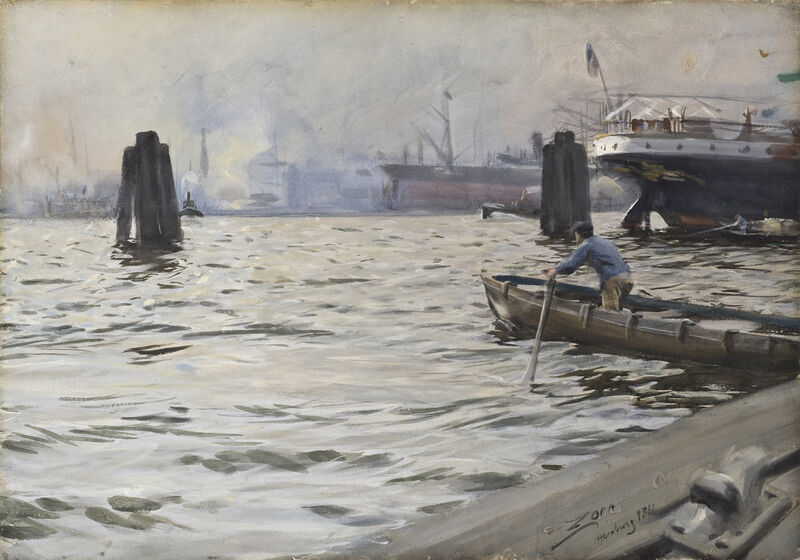
Anders Zorn (1860–1920), Hamburger Hafen, 1891, Aquarell auf Papier, 46,5 x 67 cm , Nationalmuseum, Stockholm


He was one of the most famous painters around 1900: Swedish artist Anders Zorn is the subject of a major exhibition at the Hamburger Kunsthalle, which presents his multifaceted oeuvre. Various major works as well as rarely seen pieces will be on display from September 26.
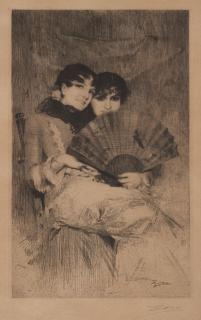
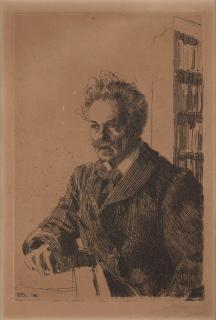
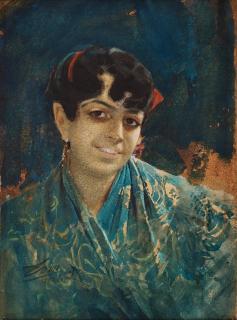
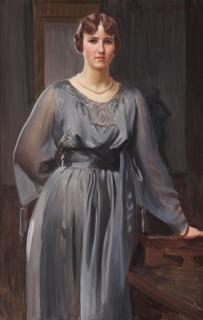
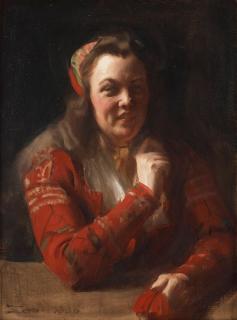
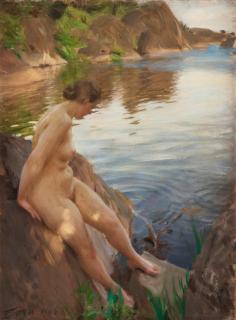
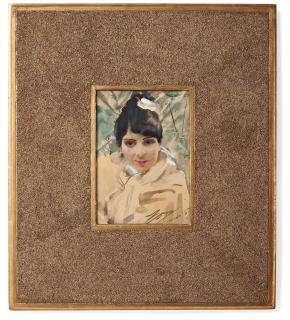
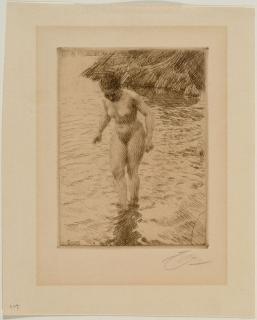
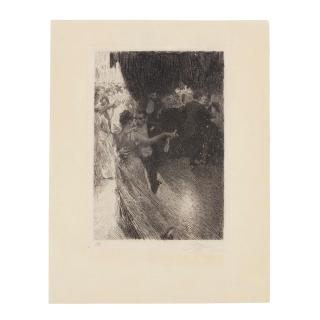
He was revered by both conservative and liberal audiences: Anders Zorn (1860-1920) delighted high society with his glamorous yet sensitive portraits, while his relaxed and virtuoso landscapes, portraits of ordinary people, and nudes served as models for young artists. The German Secessionists in particular emulated Zorn's painting, which was perceived as a counterpoint to the unnatural-looking academic painting. With outstanding technical skills, a keen sense for contemporary themes, and a trained business acumen, Anders Zorn became one of the most famous painters of his time. The Hamburger Kunsthalle is presenting a major exhibition on the Swedish artist for the first time: Anders Zorn features various major works, as well as rarely seen paintings and watercolors, delicate etchings, and photographs taken by Zorn himself. The exhibition also includes atmospheric views of the Port of Hamburg, which the artist created in 1891 at the invitation of Kunsthalle director Alfred Lichtwark. The exhibition, featuring around 150 works of art, runs from September 26, 2025, to January 25, 2026.
The artist's career began early, even before he graduated: at a student exhibition, Zorn showed his watercolor In Mourning (1880), which earned him much recognition and, in the following period, many portrait commissions from wealthy families. In 1881, he traveled to Spain and then lived in London for several years to improve his skills and establish a reputation as a portraitist. Zorn's paintings were extremely popular and he quickly became well known. In 1887, he began painting en plein air and was honored with a medal at the World's Fair in Paris two years later. His seemingly spontaneous paintings, his sensitivity to his subjects, and his technical skills fascinated the public, and Zorn became one of the most famous painters in Europe. From the 1890s onwards, Zorn visited the USA several times, where his reputation spread just as quickly. There he produced around 100 portraits of well-known personalities, including three US presidents. As a wealthy man, Zorn returned to his hometown of Mora in 1896, where he devoted himself increasingly to sculpture and eventually died in 1920.
Zorn's house in Mora is now home to the Zorn Museum. The interior rooms and the studio, which is housed in a log cabin dating from 1290 next to the house, are still in their original condition.
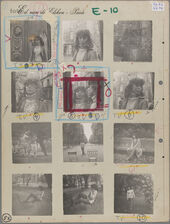
He was one of the most famous Dutch photographers of the 20th century: Ed van der Elsken captured cultural upheavals as a street and travel photographer. The exhibition Ed van der Elsken. Up Close is on view at the Rijksmuseum Amsterdam through September 13.
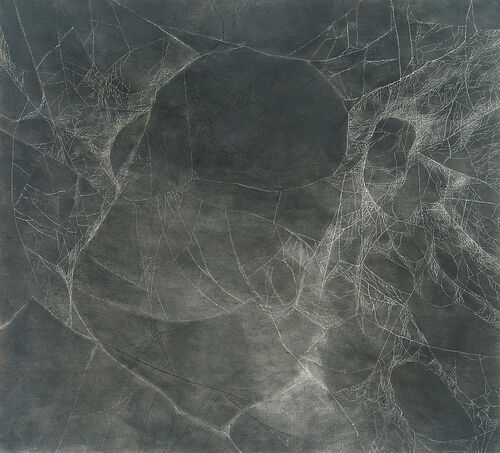
Art for the harmonious coexistence of the global population: At the Haus der Kunst in Munich, Argentine artist Tomás Saraceno presents visions for new forms of living together. The exhibition Tomás Saraceno. Ancestral Futures opens on July 17.