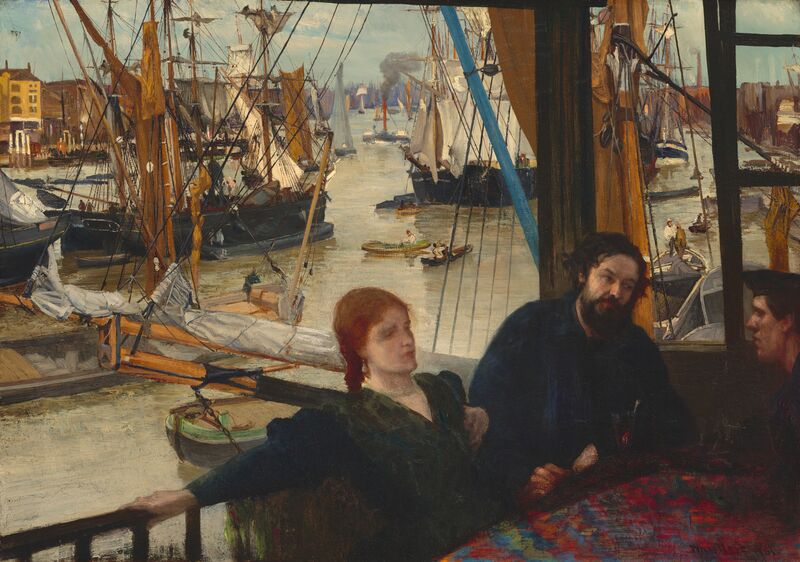
James McNeill Whistler, Wapping, 1860-4. National Gallery of Art, Washington.


He was one of the most influential artists of the 19th century: Tate Britain in London is presenting James McNeill Whistler in the largest retrospective in Europe in 30 years starting May 21. Among the approximately 150 works on display are numerous famous pieces, as well as rare works and others never before shown to the public.
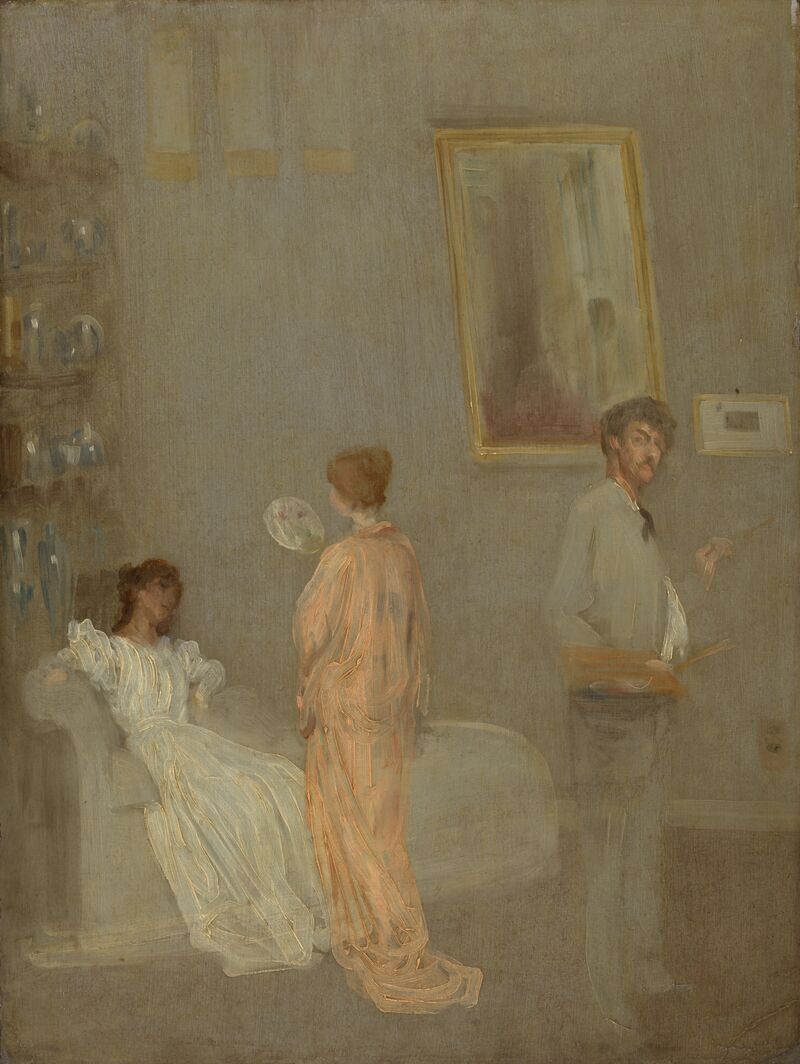
An opportunity like this comes along only once every few decades: At Tate Britain in London, the work of the influential painter James McNeill Whistler (1834–1903) is on view in a rare breadth. On display are (famous) paintings, drawings, prints, and sketches. Some of the latter have never been shown publicly before. Another rarity is the painting Whistler Smoking (1856–60), which is on display in an exhibition for the first time since the artist’s death. The current retrospective opens with a room inspired by Whistler’s studio: several self-portraits, including The Artist in His Studio (1865–66, see image below), are surrounded by the painter’s original brushes and palettes, as well as East Asian ceramics, Japanese prints, and self-designed furniture from his collection, which introduce visitors to Whistler’s working environment and creative process. This is followed by a journey through his extensive body of work, represented by approximately 150 exhibits. The James McNeill Whistler exhibition runs from May 21 to September 27.
Whistler was already well-known as a young painter and went on to become one of the most influential painters of his time. He challenged traditional painting conventions and sought a new, personal interplay of color and line. In his view, every artist should do this and not adhere to the imitation of nature, since »nature is very rarely right«. Whistler, who was considered arrogant and egotistical, dedicated his art to new aesthetic theories and was one of the leading proponents of the motto art for art’s sake. Thus, his works are free of moralizing. The painter also organized his own group and solo exhibitions, in which he presented artworks surrounded by light colors and minimal furnishings: a new form of art presentation that foreshadowed the later white cube aesthetic.
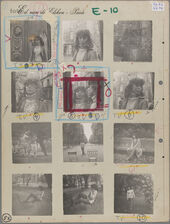
He was one of the most famous Dutch photographers of the 20th century: Ed van der Elsken captured cultural upheavals as a street and travel photographer. The exhibition Ed van der Elsken. Up Close is on view at the Rijksmuseum Amsterdam through September 13.
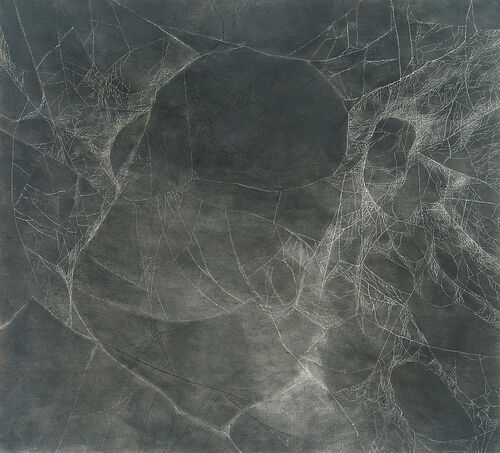
Art for the harmonious coexistence of the global population: At the Haus der Kunst in Munich, Argentine artist Tomás Saraceno presents visions for new forms of living together. The exhibition Tomás Saraceno. Ancestral Futures opens on July 17.