Courtesy Stiftung F.C. Gundlach, Hamburg
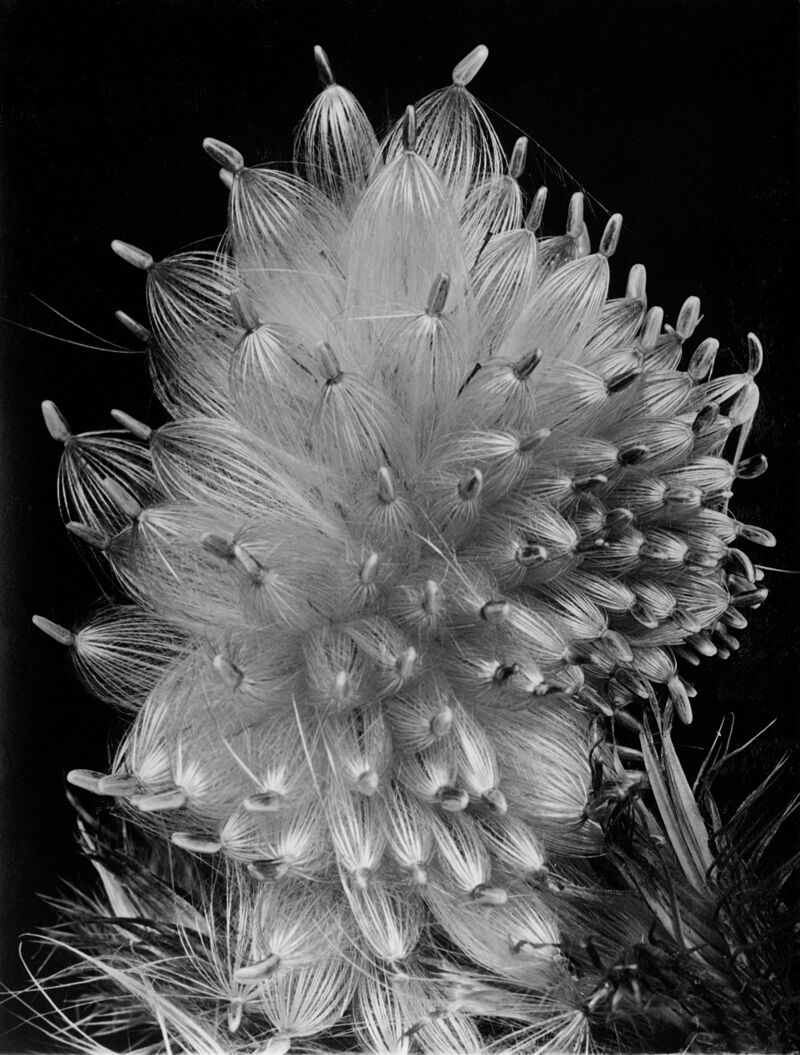
Fred Koch (1904-1947) Distel-Samen. Compositae - Cirsium lanceolatum, undatiert Silbergelatineabzug auf Barytpapier, 22,1 x 16,8 cm


His untimely death and anonymous publications during his lifetime caused Fred Koch's New Objectivity-style black-and-white photographs to be forgotten for a long time. Now, in the extensive solo exhibition Fred Koch. Nature Photography of the 1920s and ‘30s by Alfred Ehrhardt Foundation that is shown from January 15 to April 24, 2022, makes many of these works visible again.
With Fred Koch. Nature Photography of the 1920s and ‘30s, the Alfred Ehrhardt Foundation in Berlin will present an extensive solo exhibition of around 100 works by photographer Fred Koch (1904-1947) from the 1920s to the 1930s from January 15 to April 24, 2022. His neo-objective photographs are in black and white and mostly depict detailed images of plants and crystals, but also show ice flowers, corals, conchylia, insects and X-ray photographs. They reveal the artist's passion for natural forms. This links him to the German photographer and documentary filmmaker Alfred Ehrhardt (1901-1984), who in turn took Koch's crystal photographs as his model. Thanks to extensive research and attribution by the Alfred Ehrhardt Foundation, the exhibition reveals many of Koch's works that had previously been forgotten because of his anonymous publications, his turn to press photography, and his early death as a prisoner of war.
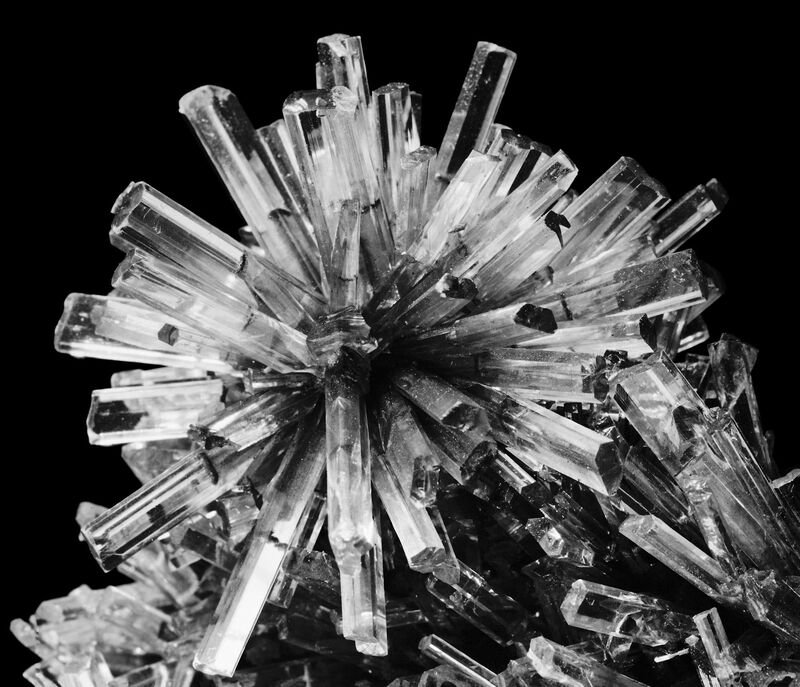
Fred Koch, born in 1904, is considered one of the most important photographers of the Weimar Republic. In his photographs, he focused on emphasizing the beauty, grace and splendor of plants and made extensive use of the stylistic devices of neo-objective photography. Thus, he worked with light reflections as well as shadows and managed not only to dramatize his pictures through this targeted use of light, but also to alienate them in a surreal way or to abstract them through intense passages. In addition, he succeeded in making the aesthetic material qualities as well as the structure of crystals and minerals impressively visible with his photographs. For this purpose, he designed his own special cameras and studied illumination modalities.
Continuation of the anniversary exhibitions: In 2026, Georg Brandner will celebrate his 70th birthday and his 50th anniversary as a freelance artist. He is presenting his works in various Austrian cities, with the next stop being Wolfsberg: On June 30 at 6:30 p.m., the exhibition Georg Brandner – 70 Years of Art will open at Galerie Atelier Berndt.
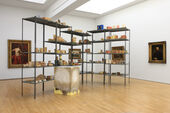
An exhibition on the conservation and restoration of unusual materials in works of art: On June 27, the Stedelijk Museum voor Actuele Kunst in Ghent will open the exhibition Joseph Beuys | Wirtschaftswerte: a conservation history, centered on Beuys’s renowned work.