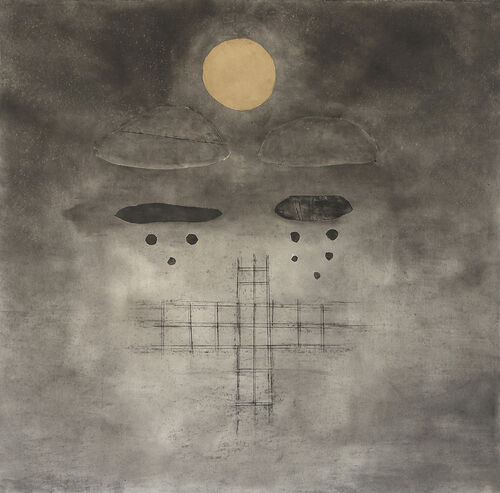
Photo by Antanas Lukšėnas.
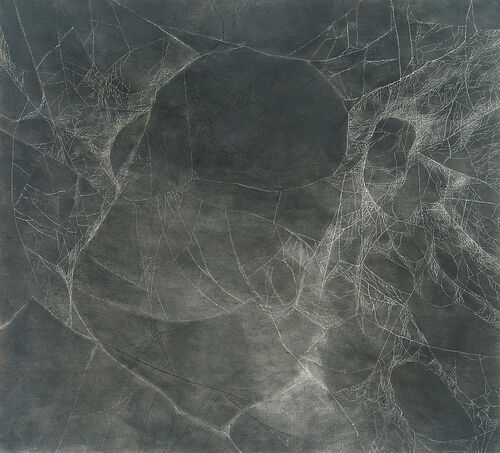
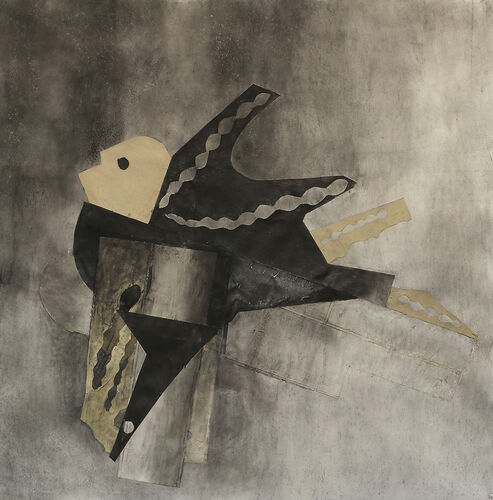
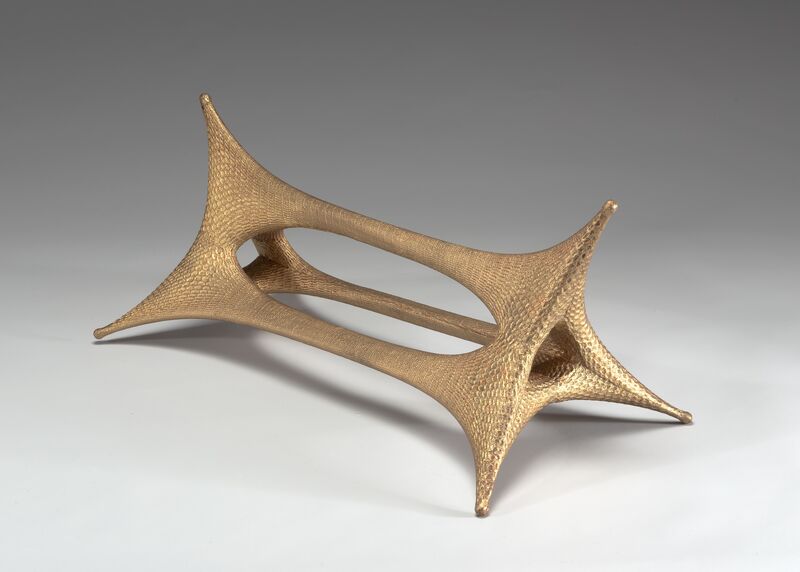
Aleksandra Kasuba, Gilded Structures. I, 1983-1984. Lithuanian National Museum of Art.


Tate St Ives presents the seven-decade-long body of work by a visionary artist best known for her innovative environments: Aleksandra Kasuba: Shelters for the Senses opens on May 2.
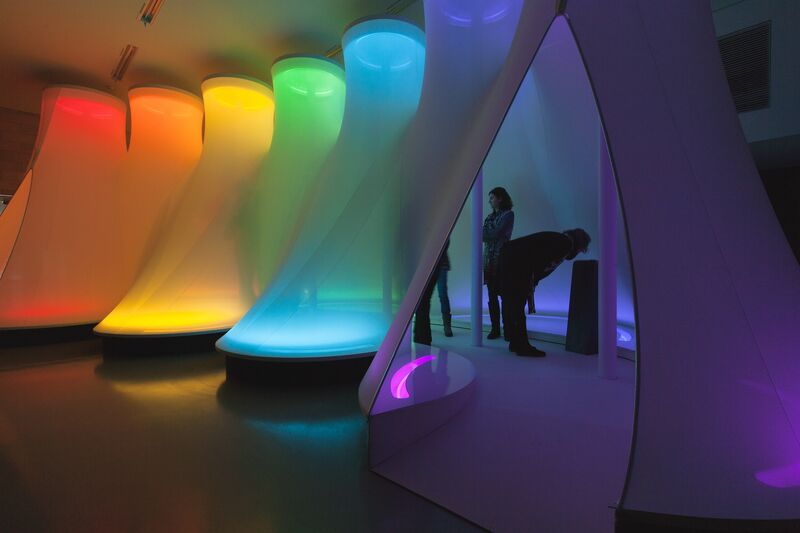
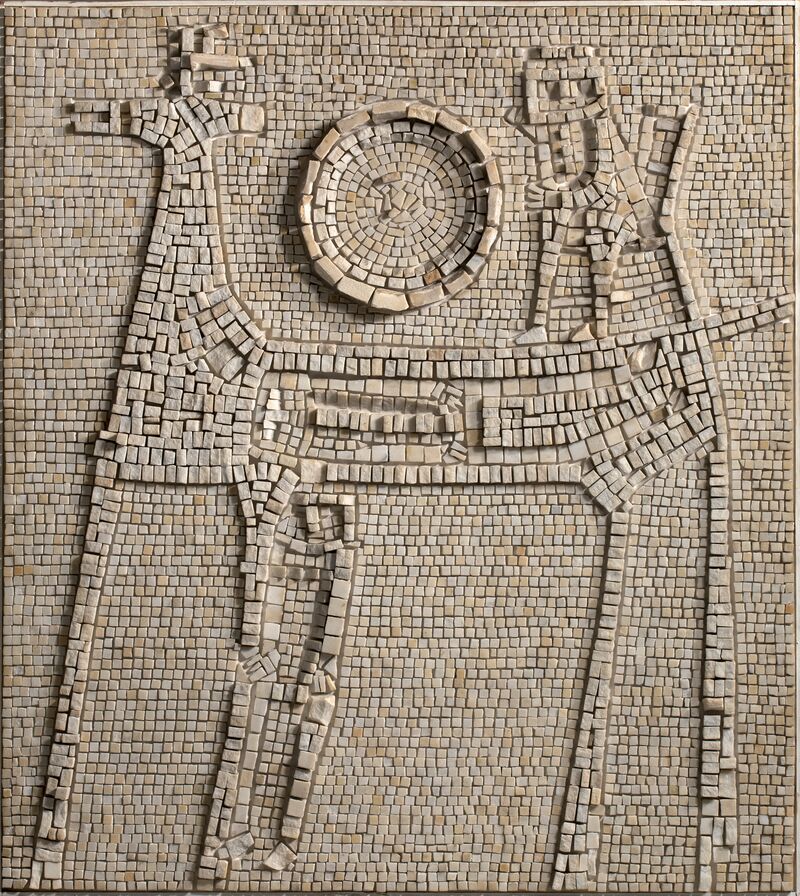
From early paintings and mosaics to sculptures and environments: Tate St Ives brings the extensive, innovative body of work by artist Aleksandra Kasuba (1923–2019) back into the spotlight. The works on display come from the Lithuanian National Museum of Art in Vilnius, to which the artist donated her work and where she had a major retrospective in 2015. Kasuba’s approach is particularly evident in her environments, one of the most memorable of which—Spectrum. An Afterthought (1975–2014, see below)—is on view at the Tate St Ives exhibition: Her spatial environments do without right angles—which Kasuba found restrictive—and guide viewers through the sounds of the wind and various scents into the world of the senses, with the aim of rediscovering humanity’s deeper relationship with nature. The exhibition Aleksandra Kasuba: Shelters for the Senses, Kasuba’s first museum exhibition in the United Kingdom, runs from May 2 to October 4.
The work of the artist, who fled her native Lithuania during World War II and settled in New York in 1947, is often inspired by natural forms, such as shells, stones, and plant growth. Kasuba’s artworks explored the possibilities of alternative ways of life intended to lead people out of entrenched structures. As an example, she cites the dissolution of established, rigid (Western) architectural forms in which people spend the majority of their lives: in a 1971 interview, she stated that she wanted to abolish the square room. In the U.S., many of the artist’s public mosaics and murals can also be seen, bringing her perspective into society without the barriers of a museum setting. In the 1960s, Kasuba collaborated with the E.A.T. (Experiments in Art and Technology) collective—composed of artists, engineers, and researchers—to bring her ideas to life.
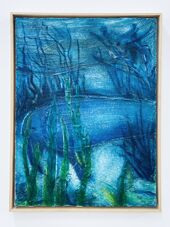
In the exhibition Zwischentöne & Statements, the Haus Hildener Künstler presents works by three female artists addressing central themes of our time. Gabriele Weide, a participant in the Art.Salon artist program, showcases works exploring the threat to the ocean as a habitat. The opening reception will take place on June 20 at 3 p.m. in Hilden near Düsseldorf.
At first glance, Gabriele Ludewig’s Balloons look like colorful, floating party balloons. Yet, behind their vibrant pop-art aesthetic lie massive sculptures full of dynamic tension. A closer look at art that radiates pure joy of life.