

Since the 1980s, image editing software has radically changed our society, which is surrounded by images. In a relatively short space of time, image processing techniques have become increasingly sophisticated and, above all, accessible to everyone. The high point so far has been AI image generators, which have brought our relationship to the truthfulness of images up for discussion on a new scale. In addition to the dangers of misinformation, however, image manipulation also offers great creative freedom. In the show Digital Witness: Revolutions in Design, Photography, and Film, the Los Angeles County Museum of Art presents the history of digital image processing over the last 40 years with around 150 exhibits. With photographs, posters, videos, excerpts from famous films and interactive software, the museum presents the revolutionary changes in visual communication that accompany us in our everyday lives - and seem so normal to us that we no longer even notice them. The exhibition runs until July 13, 2025.
Almost half of the exhibits come from the museum's collection, while the rest are on loan. The exhibition is divided into three thematic areas: Blur and Sharpen: Digital Realism deals with digital additions to images. This technique is often used in commercial films in particular, as shown by clips from the revolutionary films Jurassic Park (1993) and The Lord of the Rings: The Two Towers (2002). But artists such as Andreas Gursky and Loretta Lux also use this technique to challenge the audience's perceptual experience.
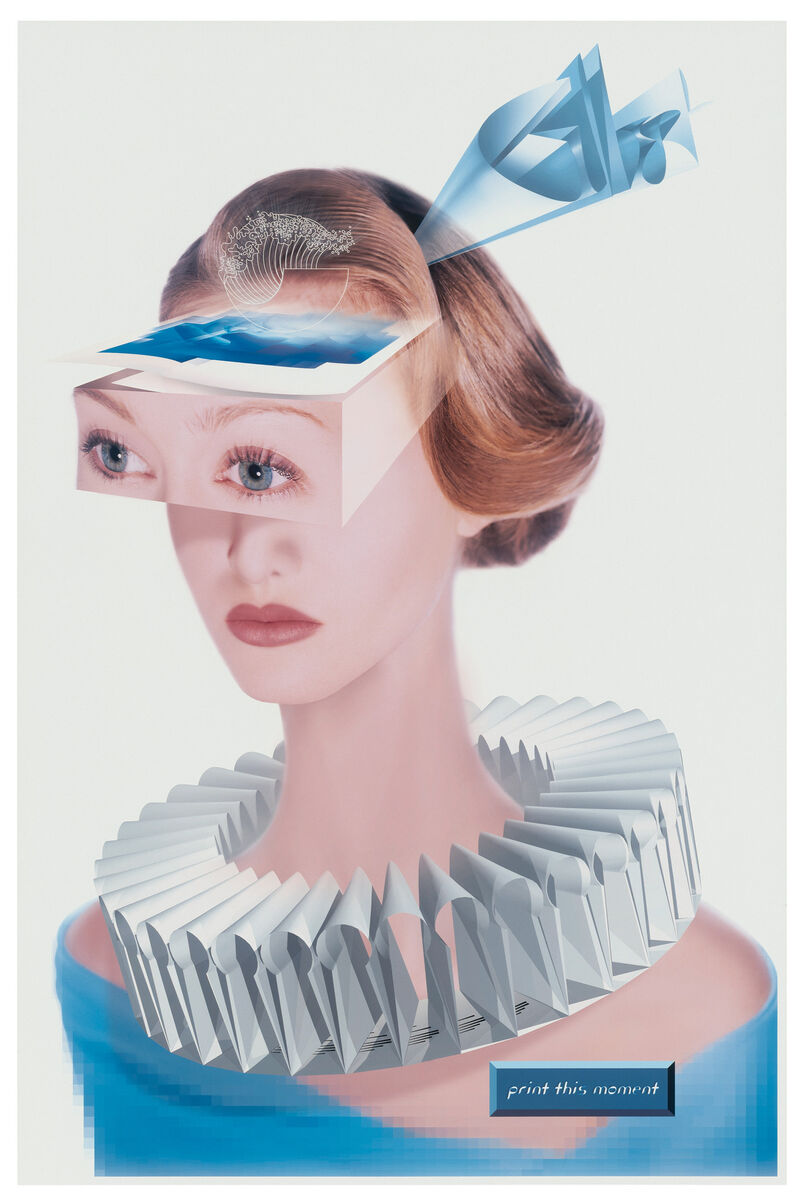
Morph and Warp: Computer Aesthetics presents artists such as April Greiman, John Maeda, Petra Cortright and Todd Gray who are experimenting with new aesthetics: They deliberately integrate glitches and jerky movements of early digital figures into their works. In doing so, they elevated the digital world to an independent form of expression and detached it from the pure imitation of analog life. In Cut and Paste: Digital Collage, Keith Piper, Lucas Blalock and Casey Kauffmann, among others, explore the possibilities of digital collage, which also takes on surreal traits. The exhibition also explains how many artists avoid commercial editing programs and use open source programs instead.