Los Angeles, Getty Center shows Gustave Caillebotte

Modern masculinity of the 19th century

His depictions of men broke with artistic and social norms: Gustave Caillebotte is considered one of the most unusual Impressionists. From February 25, the Getty Center in Los Angeles is dedicating a major exhibition to him with Gustave Caillebotte: Painting Men.

February 25, 2025
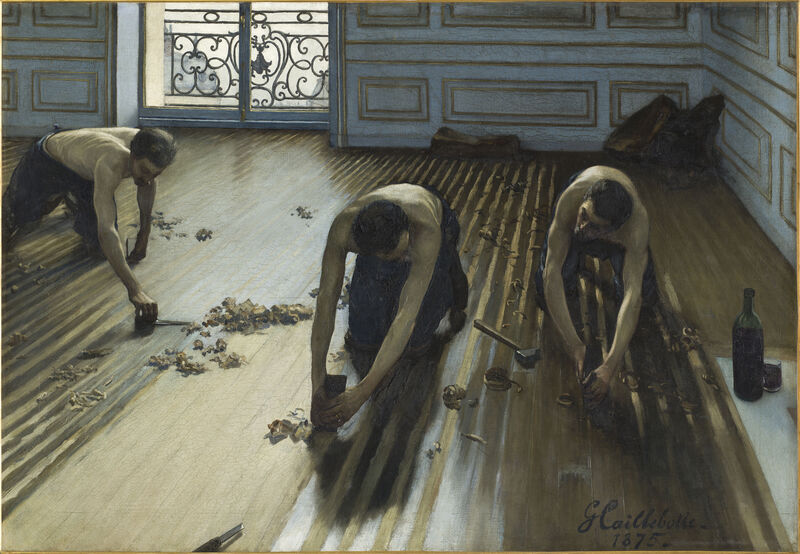
Floor Scrapers, 1875, Gustave Caillebotte (French, 1848-1894)
Photo: Musée d'Orsay. dist Grand Palais RMN / Patrice Schmidt EX.2025.2.32
Floor Scrapers, 1875, Gustave Caillebotte (French, 1848-1894), Oil on canvas, 40 3/16 x 57 1/16 in (102 x 145 cm), Musée d’Orsay, Paris. Gift of the heirs of Caillebotte through his executor Auguste Renoir, 1894

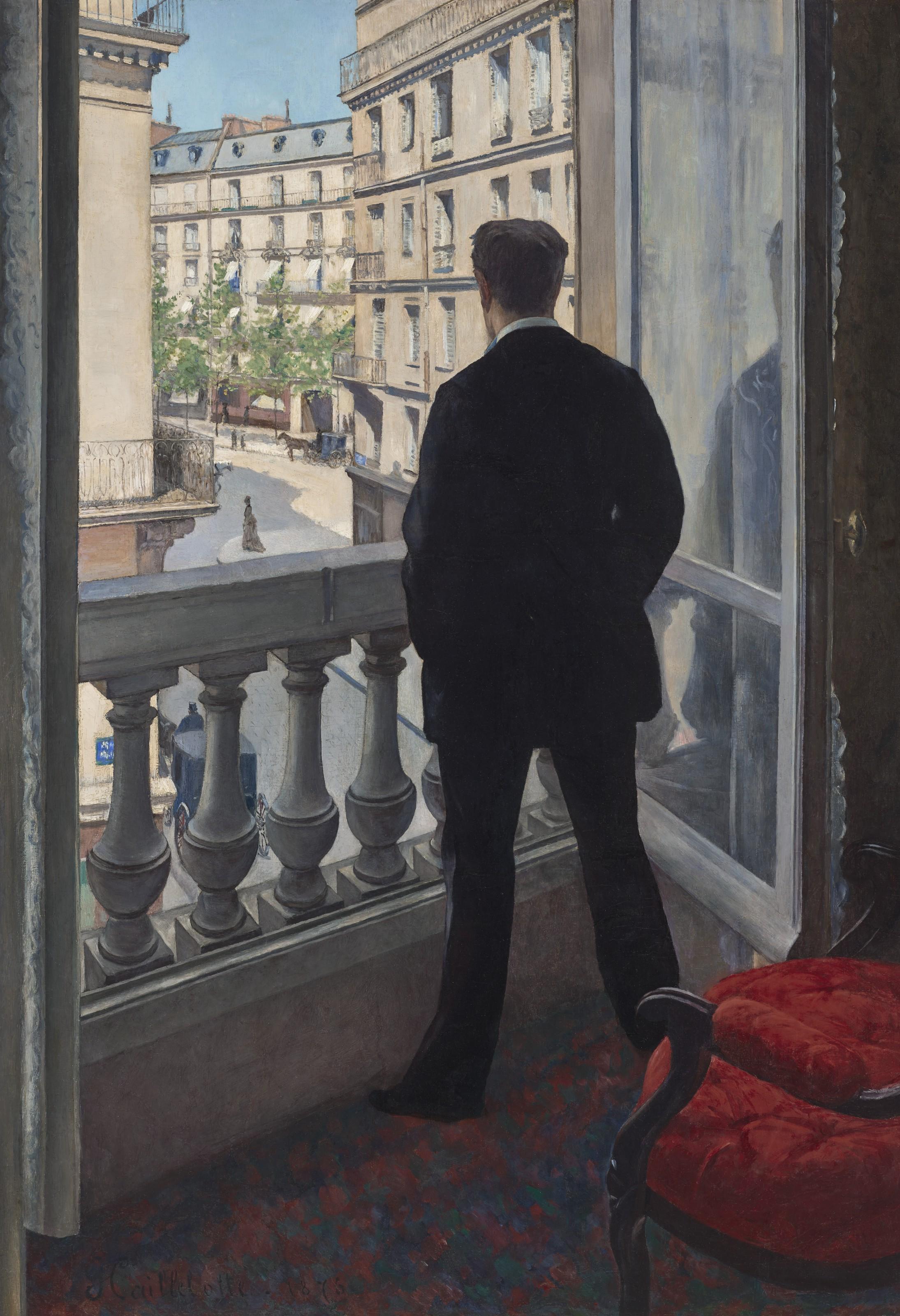
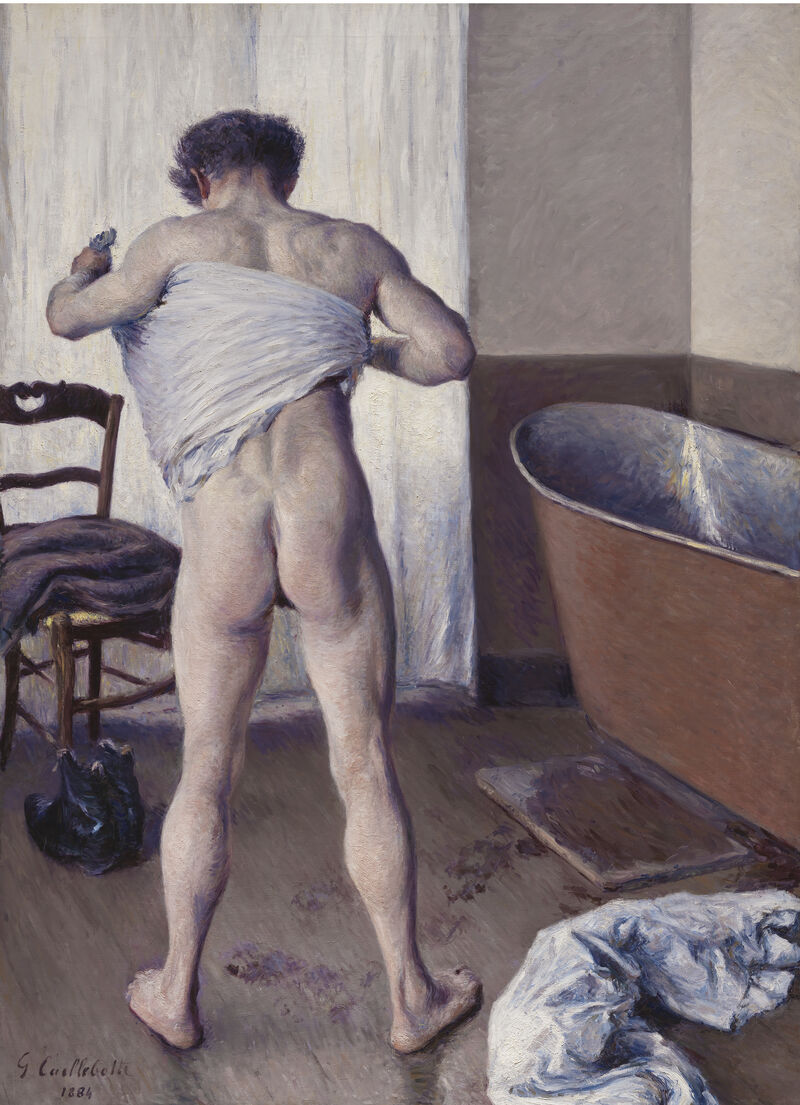
His portraits of high society men challenged artistic and social norms: Gustave Caillebotte (1848-1894) showed himself as a private person in their living rooms, which the public of the time associated with femininity. Until then, men had tended to be depicted with neutral backgrounds or sitting at a desk. But Caillebotte broke with even more conventions: His images of working-class men doing their jobs are characterized by honesty towards the working conditions and they individualize the men, establishing intimacy. Likewise, Caillebotte's pictures of sportsmen are characterized by a demanding gaze that was unseemly for his time. Strength and discipline, two essential male characteristics of the 19th century, play a subordinate role in Caillebotte's work. Naked men were already known in paintings, for example as a sublime nude study. Caillebotte's painting of a man bathing in his house, however, was highly unconventional, suggesting voyeurism and breaking with all 19th century conventions. The Getty Center in Los Angeles is paying tribute to the original oeuvre of the painter, who was controversial among his contemporaries, from February 25 to May 25 in the exhibition Gustave Caillebotte: Painting Men.

Gustave Caillebotte was born in Paris and came from a wealthy family. After studying law and completing his military service, he traveled to Italy in 1872, where he was mainly influenced by Giuseppe de Nittis in Naples. In the following years in France, he tended to abandon his realistic style of painting in favor of Impressionism, but never completely broke away from it. The financially independent artist was an important supporter and financier for the Impressionists: Caillebotte took on central roles in the organization and financing of early Impressionist exhibitions. In addition to his unusual depictions of men, the painter is also known for his innovative street scenes with new perspectives; his oeuvre comprises almost 500 paintings. Caillebotte died in 1894 at the age of 45, presumably from a stroke.Art.Salon

The Getty Museum acquired Caillebotte's painting at auction in 2021 for over 53 million US dollars

Gustave Caillebotte

Jeune homme à sa fenêtre

Found at Christies, New York
The Cox Collection: The Story of Impressionism, Evening Sale, Lot 23 C
11. Nov - 11. Nov 2021
Estimate: -1 - -1 USD
Price realised: 53.030.000 USD
Details
Man at His Bath, 1884, Gustave Caillebotte (French, 1848-1894)
Photo © 2025 Museum of Fine Arts, Boston EX. 2025.2.80
Man at His Bath, 1884, Gustave Caillebotte (French, 1848-1894), Oil on canvas, 57 x 45 in (144.8 x 114.3 cm), Museum of Fine Arts, Boston. Museum purchase with funds by exchange from an anonymous gift, Bequest of William A. Coolidge, Juliana Cheney Edwards Collection, and from the Charles H. Bayley Picture and Painting Fund, Mary S. and Edward J. Holmes Fund, Fanny P. Mason Fund in memory of Alice Thevin, Arthur Gordon Tompkins Fund, Gift of Mrs. Samuel Parkman Oliver—Eliza R. Oliver Fund, Sophie F. Friedman Fund, Robert M. Rosenberg Family Fund, and funds donated in honor of George T. M. Shackelford, Chair, Art of Europe, and Arthur K. Solomon Curator of Modern Art, 1996–2011

Dive deeper into the art world

Hamburg: 9th Triennial of Photography

Featuring works by a total of 279 international artists, the 9th Triennial of Photography Hamburg showcases the diversity of the medium. Under the theme Alliance, Infinity, Love – in the Face of the Other, eleven exhibitions will open consecutively from June 4 to 6.

June 03, 2026
Brandenburg an der Havel, Kunsthalle Brennabor

Twenty-five female artists from the Berlin Women’s Museum network are presenting works of painting, printmaking, photography, installation, and sculpture in the exhibition You Can’t Step into the Same River Twice. Five artists from the Art.Salon artist program are participating: Ulrike Gerst, Uschi Niehaus Indenbirken, Annette Selle, Beate Selzer, and Regina Weiss. The exhibition is on view through July 5 at the Kunsthalle Brennabor in Brandenburg an der Havel.

June 01, 2026