Courtesy Estorick Collection
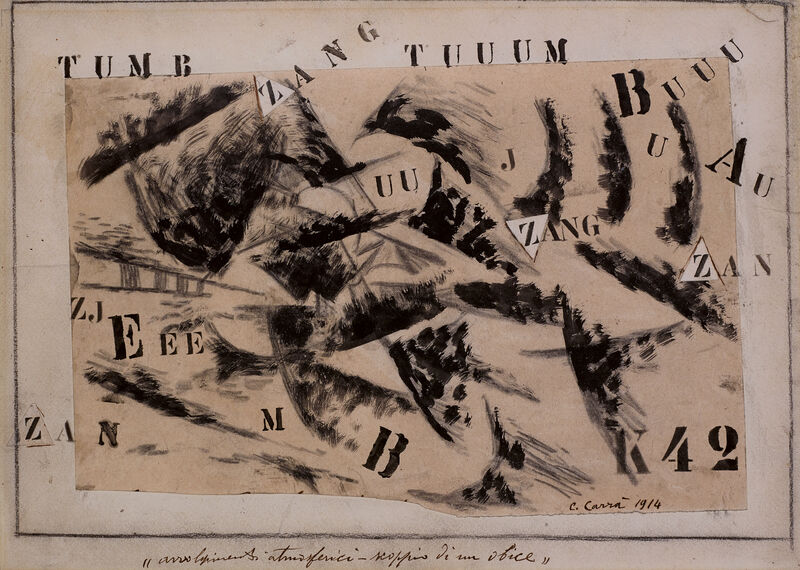
Carlo Carra, Atmospheric Swirls – A Burning Shell, 1914


With the innovative exhibition Breaking Lines, the Estorick Collection of Modern Italian Art in London is turning the spotlight on particular forms of expression in poetry. From January 15, the show will focus on Italian Futurism and the work of Dom Sylvester Houédard.
Italian Futurism is famous as a movement of visual art. However, in addition to painters, many writers were also supporters of the group - it was even founded and led by the poet Filippo Tommaso Marinetti. The manifesto of 1909 refers several times to poetry, but not to painting. However, painting, like sculpture, developed into one of the leading art movements of Futurism. The exhibition Breaking Lines at the Estorick Collection of Modern Italian Art in London now focuses on one of Futurism's original concerns: experimental poetry, which aimed to »redouble the expressive force of words«. The art exhibition, which shows works that have received little museum attention to date, runs from January 15 to May 11.
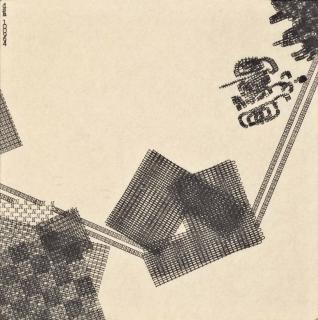
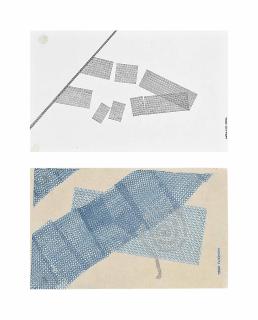
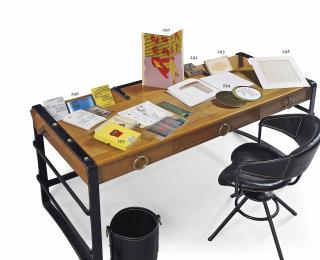
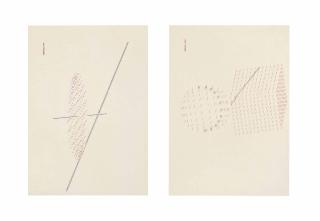
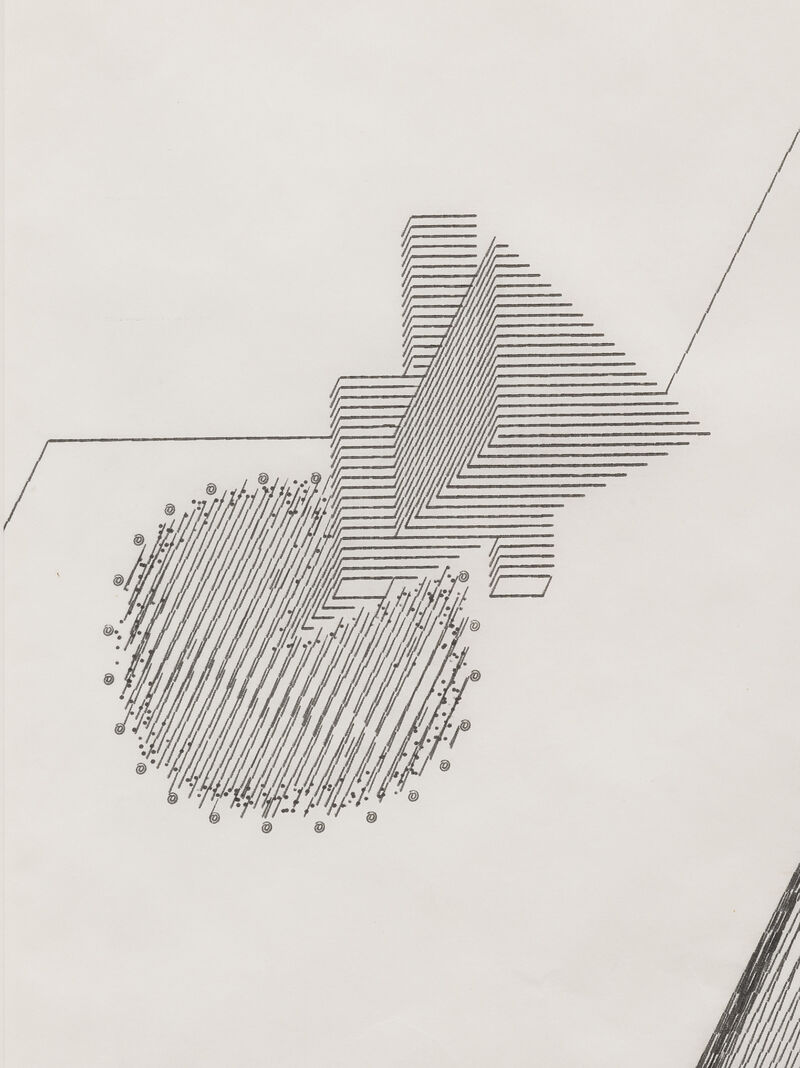
The second part of the Breaking Lines show is dedicated to a related theme: Dom Sylvester Houédard and Concrete Poetry in Post-war Britain. Houédard (1924-1992) was a Benedictine monk and theologian and is considered one of the most important representatives of Concrete Poetry, in which the boundary between literature and visual art becomes blurred. Houédard was influenced by experimental poetry, which developed into a global phenomenon in the first half of the 20th century. His works appeared in various magazines and journals from the 1960s onwards. In 1965, together with Jasia Reichardt, he published the book Between Poetry and Painting about the connection between these two art forms.
As part of the InterNationalgalerie series, the Alte Nationalgalerie invites other institutions to exhibit in its own spaces. Kicking off the series on June 18 is the National Museum in Warsaw with the exhibition Inventing Myths.
Through June 27, Elvira Flamm is showcasing three works from her series Ikonen ohne Namen (Icons without Names) in the Made in Berlin Art Award 2026 exhibition. She was selected as one of 20 artists for the show at the BBA Gallery.