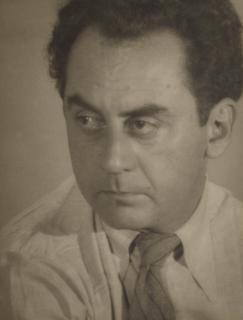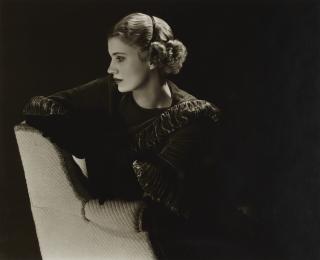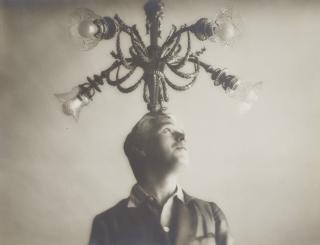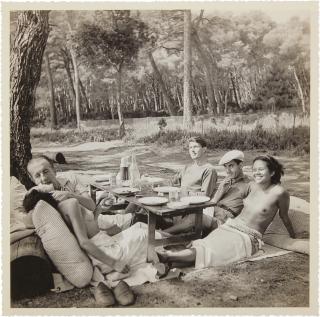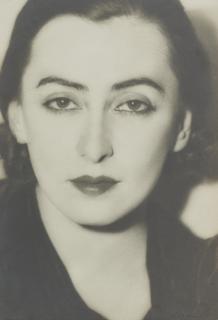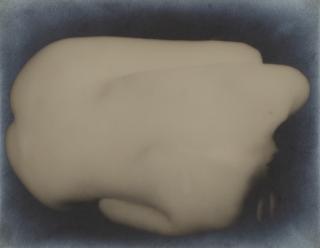
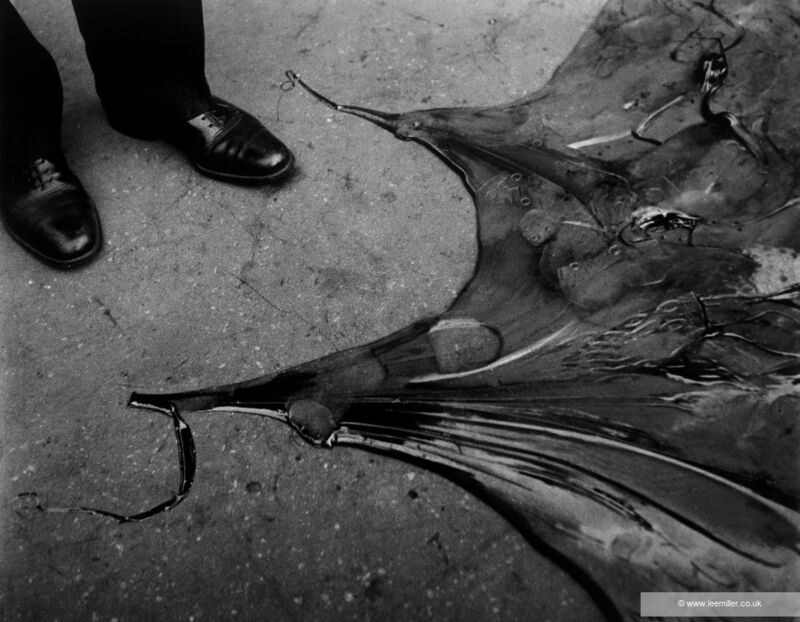
Lee Miller, Untitled, Paris 1930. Lee Miller Archives. © Lee Miller Archives, England 2025. All rights reserved. leemiller.co.uk


From October 2, the diverse and fascinating photographic work of Lee Miller will be on display at Tate Britain in London. The exhibition showcases the breadth of the photographer's work, from her surrealist work to Miller's fashion and war photography.
Lee Miller (1907-1977) first came into contact with photography as a model. She worked with famous photographers in New York, but moved to Paris in 1929 to work with Man Ray and become a photographer herself. Over the next three years, she created various surrealist street scenes and interiors. This brief episode, during which many of her well-known works were created, ended when Miller returned to New York, where she successfully ran her own photography studio. She left surrealism behind, which she viewed critically as a movement due to its lack of feminist aspirations and its sexualization of women, and photographed people, fashion, and landscapes, such as her rare images from Egypt, which are also on display in the Tate Britain exhibition. In 1942, she returned to Europe as a war photographer. Miller's fearlessness and unique perspective resulted in some of the most famous photographs of the 1940s: the recently liberated concentration camps at Buchenwald and Dachau, as well as the photo of Miller in Hitler's bathtub, which was taken on the same day as the pictures from Dachau. Relentless truth and humor, as well as a radical reversal of power, are important components of an outstanding photographic oeuvre. With around 250 works, Tate Britain presents the complexity of the photographer in Lee Miller. The exhibition runs from October 2, 2025, to February 15, 2026, in London.
At the end of 1945, Miller put her camera aside and only occasionally photographed for Vogue. As a letter from Miller reveals, photography had become a weapon against Nazism for her, and after the end of the war, she felt she had nothing relevant left to say. Contrary to popular belief, surrealism plays only a minor role in Miller's work and was not particularly important to her. She was a headstrong and uncompromising artist who confronted reality head-on. From the late 1950s onwards, she devoted herself to cooking and received several awards for her surrealism-inspired dishes.
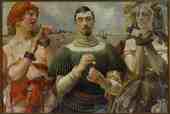
As part of the InterNationalgalerie series, the Alte Nationalgalerie invites other institutions to exhibit in its own spaces. Kicking off the series on June 18 is the National Museum in Warsaw with the exhibition Inventing Myths.
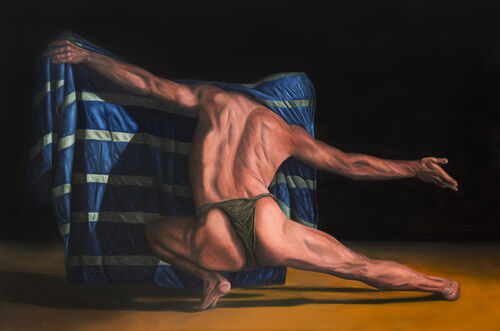
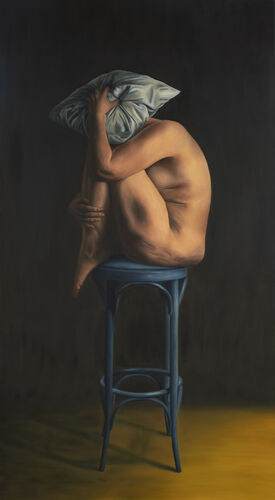
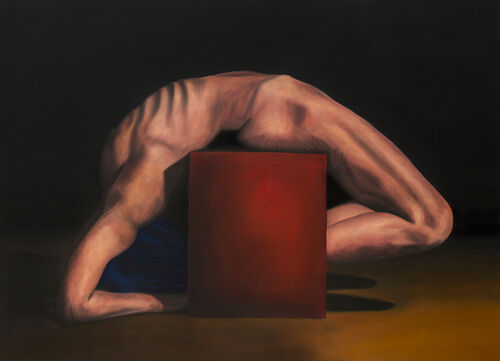
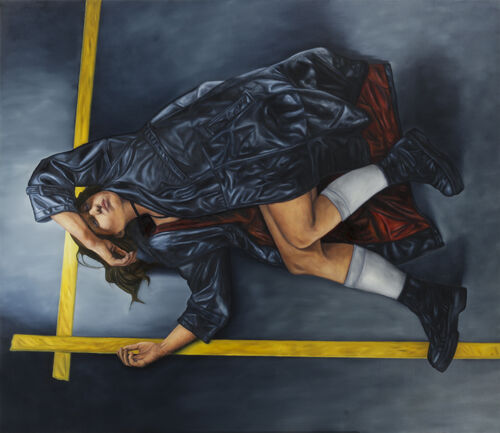
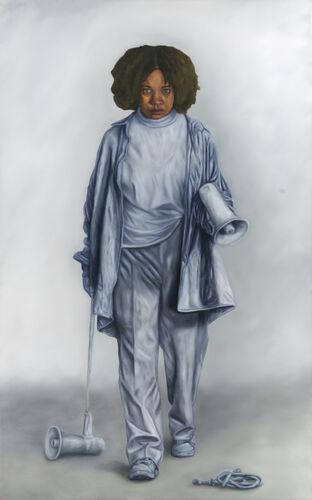
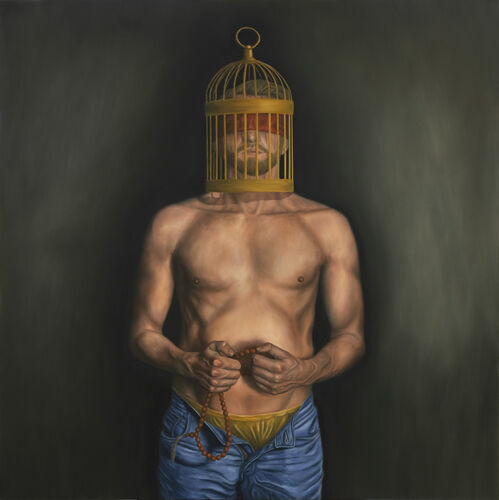
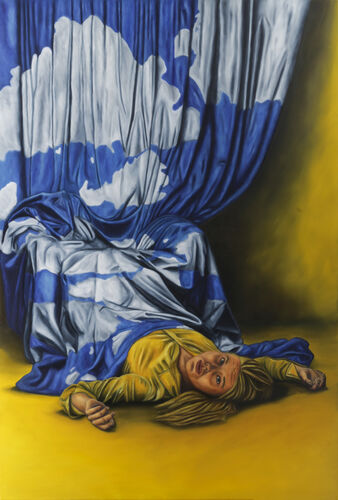
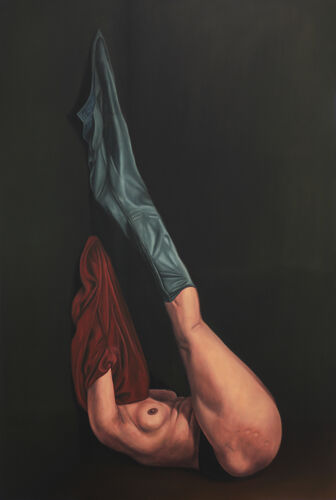
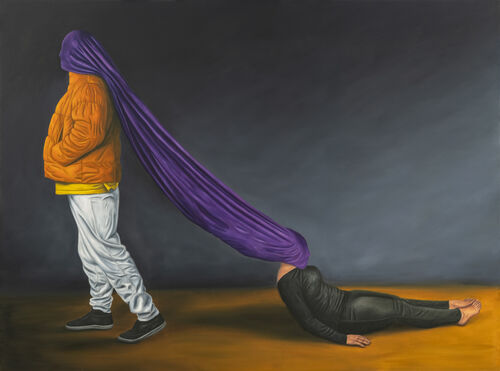
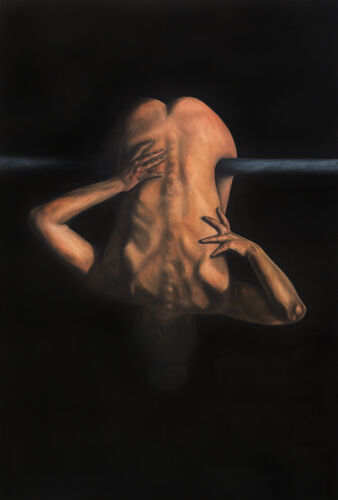
Through June 27, Elvira Flamm is showcasing three works from her series Ikonen ohne Namen (Icons without Names) in the Made in Berlin Art Award 2026 exhibition. She was selected as one of 20 artists for the show at the BBA Gallery.