© VG Bild-Kunst, Bonn, 2025
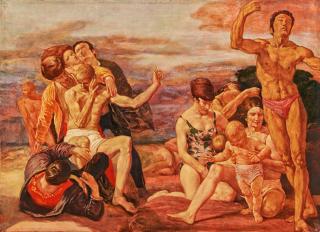
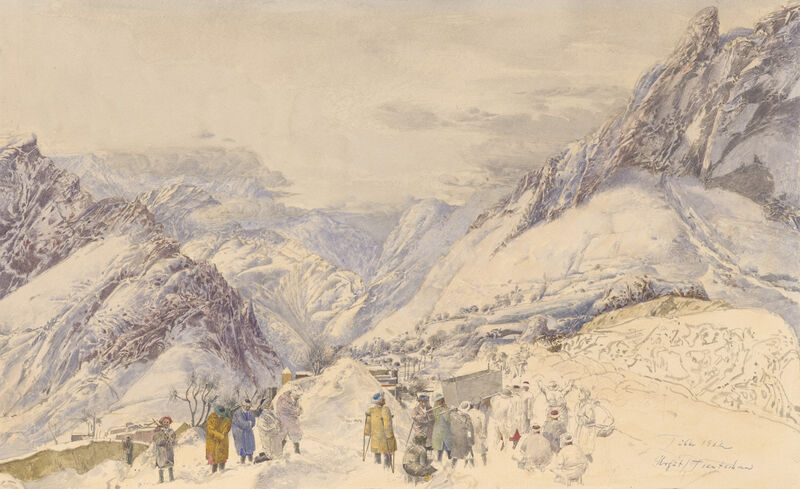
Werner Tübke (1929 – 2004), Beerdigung im winterlichen Tienschan-Gebirge, 1962, Aquarell über Grafit auf Velinpapier, 232 x 367 mm, Städel Museum, Frankfurt am Main


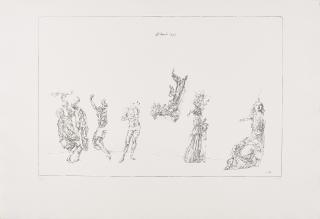
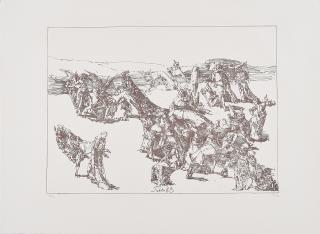
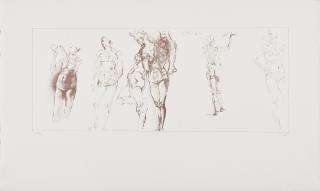
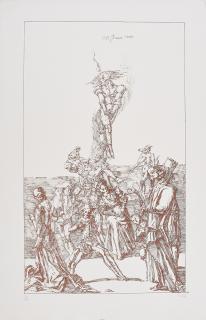
Celebrated and criticized: the Leipzig painter Werner Tübke was an extremely controversial but important painter of the 20th century. From July 2, the Städel Museum in Frankfurt am Main will be devoting an extensive exhibition to his famous work in Werner Tübke. Metamorphoses, the Städel Museum in Frankfurt am Main is dedicating an extensive exhibition to his graphic work.
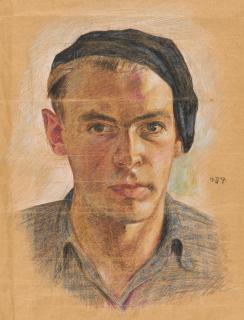
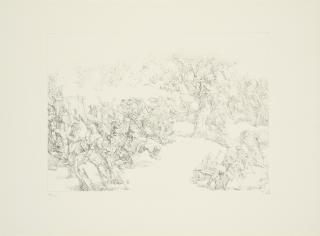
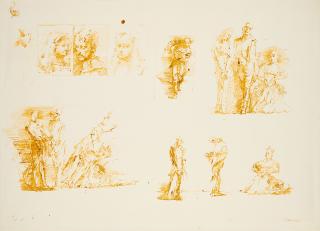
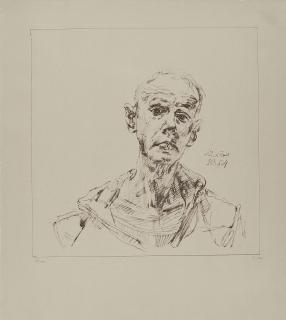
Harlequins, jesters, magicians, angels, tortured people: Werner Tübke (1929-2004) reflects existential questions, vulnerability and human hardship in his multifaceted, immensely imaginative work. He combines his realistic painting style with surreal elements and creates metaphors of life. Tübke did not conform to the guidelines of socialist realism, which is why he was initially widely criticized and rejected in the GDR. His attitude almost led to his dismissal as a teacher at the Academy of Visual Arts Leipzig in 1968, which was only prevented by student protests. In the course of the 1970s, however, his work was increasingly accepted and recognized, also internationally. He was one of the central representatives of the Leipzig School of the 1970s and 1980s. From July 2, the Städel Museum in Frankfurt am Main will be showing the exhibition Werner Tübke. Metamorphoses, which focuses on Tübke's drawings. The reason for the exhibition is a donation to the museum of 46 drawings and watercolors from the collection of Barbara and Eduard Beaucamp in 2023. The show ends on September 28.
Werner Tübke's oeuvre comprises around 6,000 drawings, 500 watercolors, 350 paintings and 200 prints. He received several art prizes, both in the GDR and the FRG, including the Käthe Kollwitz Prize in 1980. Tübke repeatedly dealt with historical events; his paintings were seemingly compatible with the ideology of GDR cultural policy, but contained hidden criticism. Tübke depicted the events in an unembellished way and oriented towards the suffering of the people. His most important works include his 123-metre-long panorama Early Bourgeois Revolution in Germany (1976-1987), commissioned by the GDR government and often called the Peasants' War Panorama, and the uncommissioned cycle Memoirs of Dr. jur. Schulze (1965-1967) about a fictitious judge. Here, Tübke criticizes – unusually clearly for the time – National Socialist terror justice and the fact that numerous judicial officials were allowed to continue working after 1945.
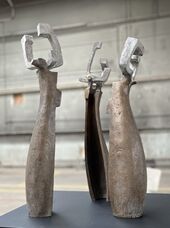
Colored grids meet organic forms: In a two-artist exhibition at the Galerie für Gegenwartskunst Schaffhausen, color panels by Brigitte Bi Pfister and sculptures by Klemens Pasoldt come together. The opening reception takes place on June 19 at 5 p.m.
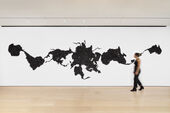
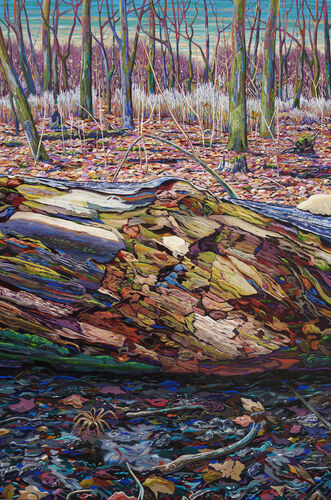
Through works of art from the past 25 years, the Vancouver Art Gallery explores the connection between contemporary art and climate change: Future Geographies: Art in the Century of Climate Change features over 35 works on view through January 10, 2027.