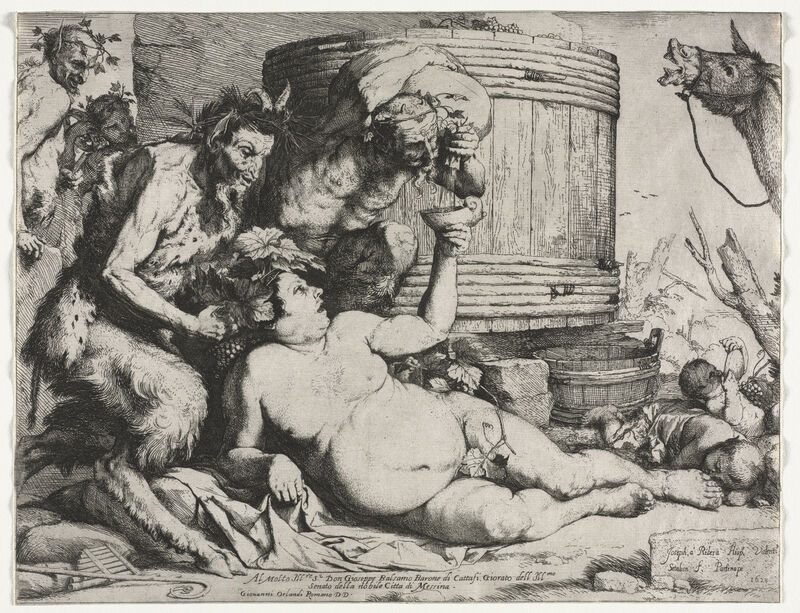
The Cleveland Museum of Art, Andrew R. and Martha Holden Jennings Fund 1966.123
Silenus, 1628. Jusepe de Ribera (Spanish, 1591–1652). Etching


A drink with divine power: The Cleveland Museum of Art presents over 70 works of art from its collection that deal with the cultural and religious aspects of wine. In Vino Veritas (In Wine, Truth) opens on September 7.
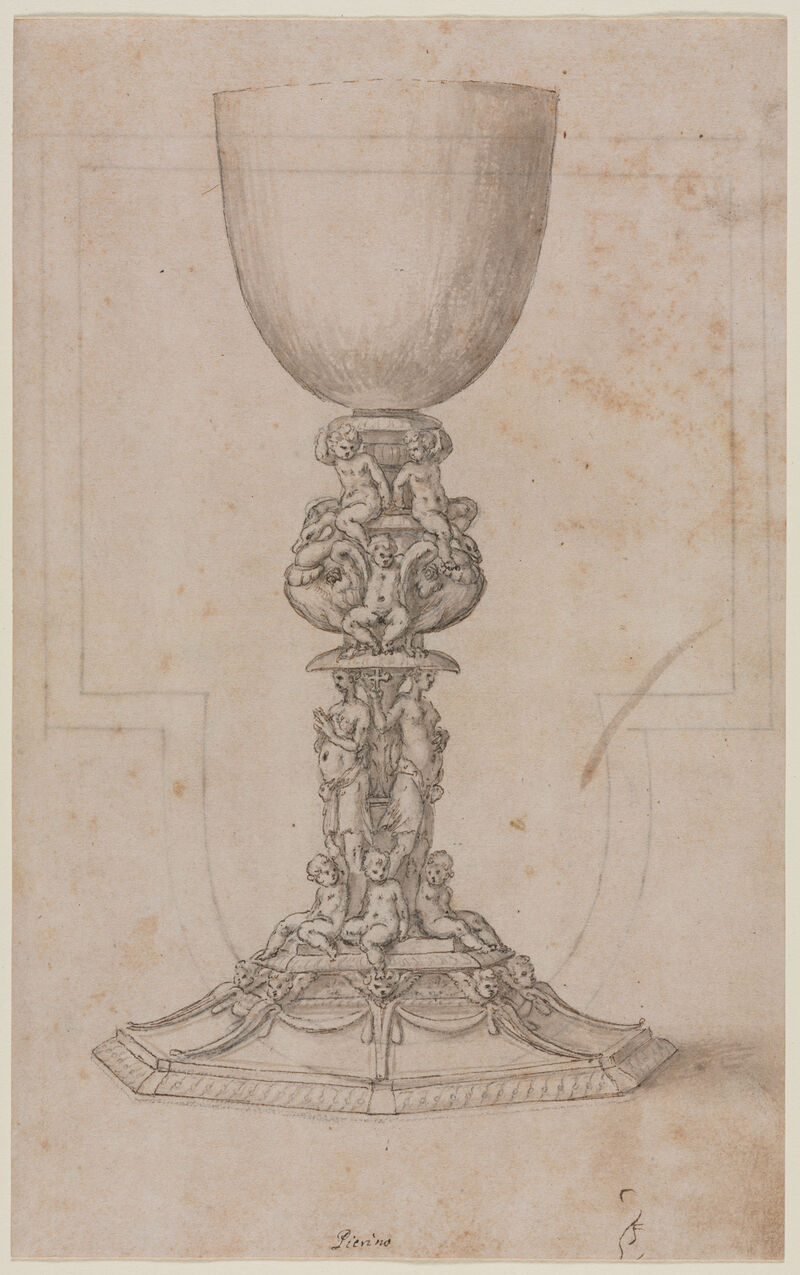
For thousands of years, wine has been an integral part of various human cultures, for example in nutrition, ritual practices, festivities, and even as a disinfectant. Not only the god Dionysus from Greek mythology—or his Roman counterpart Bacchus—but also the Egyptian god Osiris and the Babylonian Gilgamesh are considered representatives of wine and viticulture. In the Old Testament, Noah is considered the first winemaker. Fascinated by ancient Greece, where it was believed that drinking wine allowed one to absorb some of the divine powers, numerous Italian Renaissance artists devoted themselves to historical paintings with wine as the central motif. These include Bacchanalia, the Last Supper, and Noah's drunkenness. With over 70 works from its own collection, the Cleveland Museum of Art is now presenting an overview from 1450 to 1800: In Vino Veritas (In Wine, Truth) brings together prints, drawings, textile art, and objects such as precious goblets. The exhibition runs from September 7, 2025, to January 11, 2026.
The title of the exhibition refers to a phrase coined by the Roman polymath Pliny the Elder (23/24-79 AD). Sometimes the saying is supplemented by »in aqua sanitas« (in water, health). Early modern depictions of the Bacchanalia, which were celebrated in mid-March in honor of the god Bacchus and date back to older spring and fertility cults, have a particularly strong influence on our image of ancient cultures to this day. However, the intoxicating peasant festivities in the paintings of Pieter Brueghel the Elder (c. 1525/30-1569) or Jean-Honoré Fragonard (1732-1806), which were inspired by the Bacchanalia, are sometimes morally condemned in subtle and often overlooked ways. And even in Roman antiquity, there was resistance to the debauched festivals, which, due to their Greek origins, were seen by some as a threat to the proud Roman culture and state: After the Bacchanalian scandal of 186 BC, as a result of which 7,000 men and women were arrested for participating in the celebrations and some were also executed, the festivals were subject to approval, the number of participants was limited to five, and men and women were only allowed to celebrate separately.
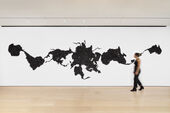
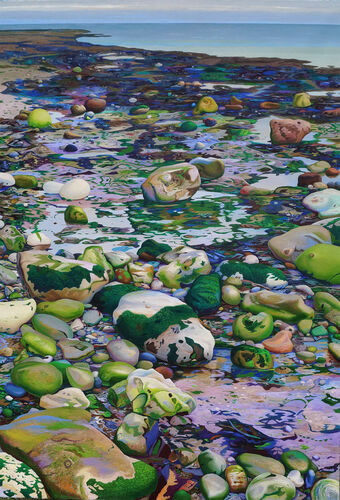
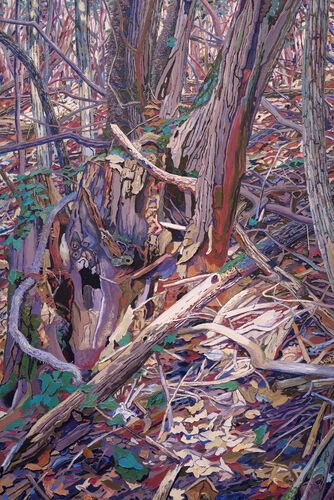
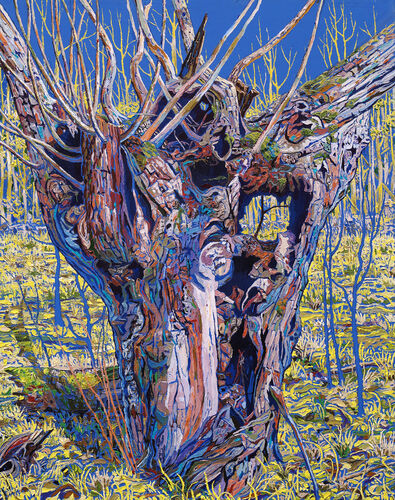
Through works of art from the past 25 years, the Vancouver Art Gallery explores the connection between contemporary art and climate change: Future Geographies: Art in the Century of Climate Change features over 35 works on view through January 10, 2027.
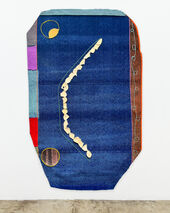
The Underground Gallery at Yorkshire Sculpture Park is hosting its first-ever group exhibition: Hold to This Earth: Works by Contemporary Indigenous North American Artists from the Tia Collection brings together 67 works by 38 artists. The exhibition opens on June 13.