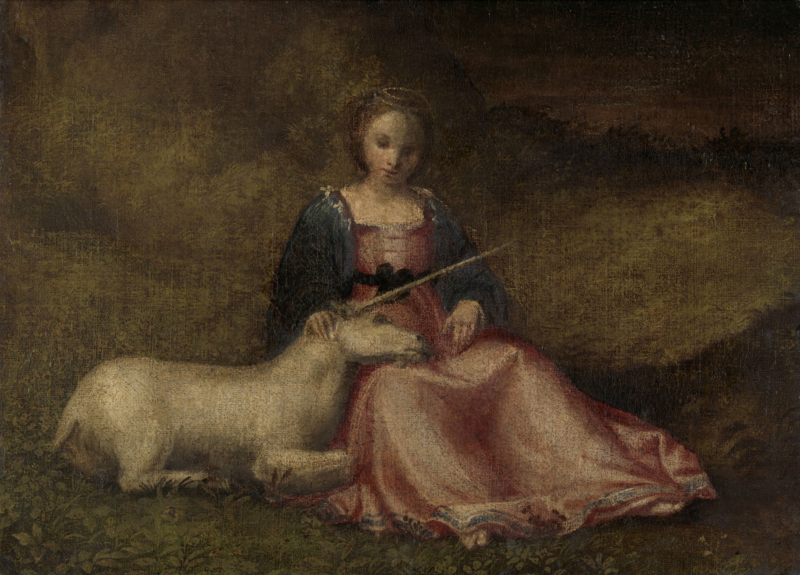
Rijksmuseum, Amsterdam
Italienisch (Veneto), Jungfrau mit Einhorn, um 1510, Öl auf Leinwand, 28 × 39 cm


With exhibits from the past 4,000 years, the Museum Barberini traces the complex cultural history of what is probably the best-known mythical creature: the unicorn. It was particularly important for art in the Middle Ages due to its Christian symbolism. The exhibition Unicorn: The Mythical Beast in Art opens on October 25 in Potsdam.
Supposedly originating in India, the unicorn has fascinated people in Europe since ancient times. Aristotle had already reported on it, and it also appeared in the Physiologus, the most important bestiary of late antiquity and the Middle Ages. Here it is described as an animal the size of a billy goat, with a single horn so strong that no hunter could kill it. It was only trusting towards virgins. In the Physiologus, animals are attributed with characteristics that were interpreted in a Christian context. The unicorn is a symbol of Jesus, humble and strong. Its death at the hands of the hunter in the arms of the virgin symbolizes his sacrificial death. Until well into the early modern period, most people believed that unicorns really existed. Traces of the unicorn can be found in Christian and non-European art, in science and medicine, and in a variety of symbolism. At the Barberini Museum, visitors can embark on a journey of discovery into the complex iconography of unicorns: Unicorn: The Mythical Beast in Art runs from October 25, 2025, to February 1, 2026, in Potsdam.
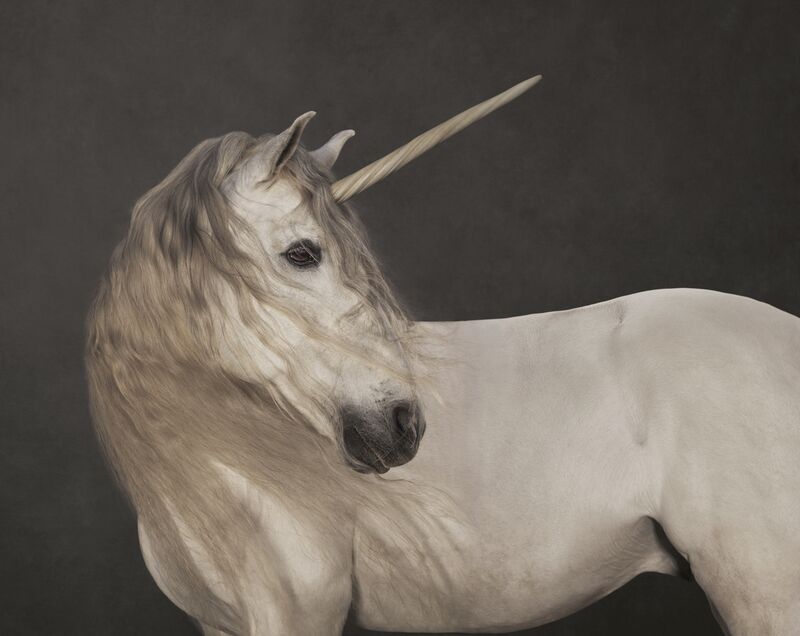
The exhibition brings together almost 150 works from a period of around 4,000 years, including paintings, drawings, prints, illuminated manuscripts, sculptures, and tapestries. Many of these works are rarely loaned out. Among the artists featured in the exhibition are Arnold Böcklin, Albrecht Dürer, Angela Hampel, René Magritte, Gustave Moreau, Olaf Nicolai, Joachim von Sandrart, Marie Cecile Thijs, and Maerten de Vos. The unicorn did not disappear from the Christian repertoire until the Counter-Reformation in the 16th century. Reformers criticized the use of images in the Catholic Church. In the course of this reorientation, the Catholic Church banned, among other things, images with suggestive depictions, including the unicorn with its horn and its »preference« for virgins. In other contexts, the unicorn remains an integral part of our visual culture to this day. Unlike today, before the 20th century it was primarily associated with masculinity.
The exhibition will be on display at the Musée de Cluny from March 13 to July 12, 2026.
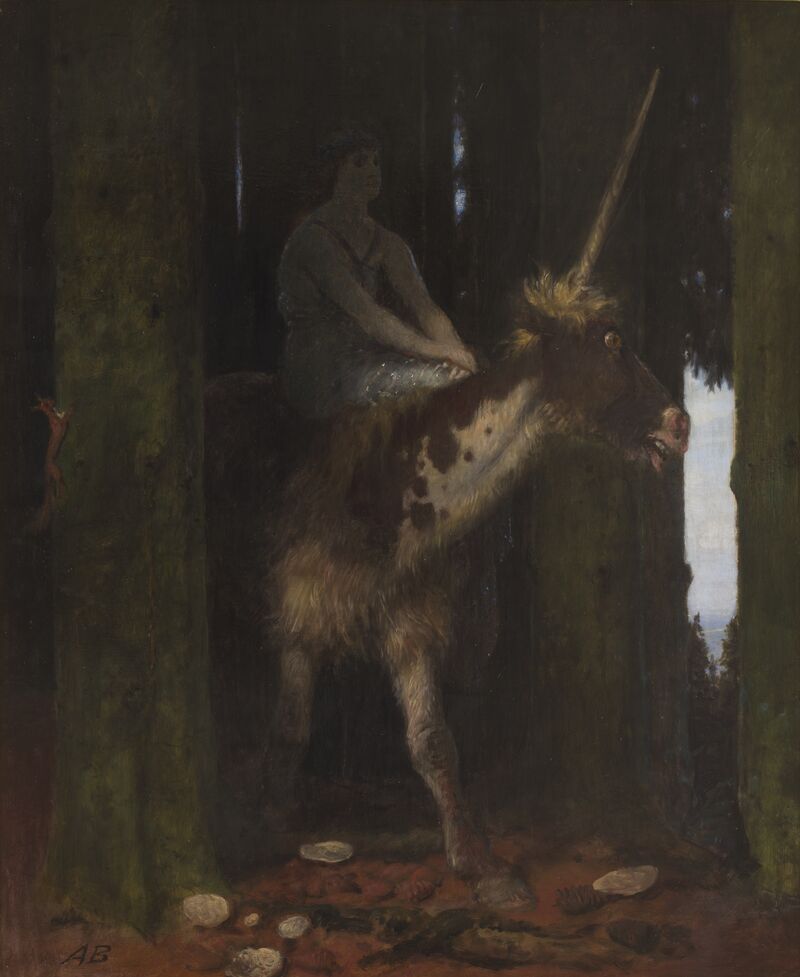
As part of the InterNationalgalerie series, the Alte Nationalgalerie invites other institutions to exhibit in its own spaces. Kicking off the series on June 18 is the National Museum in Warsaw with the exhibition Inventing Myths.
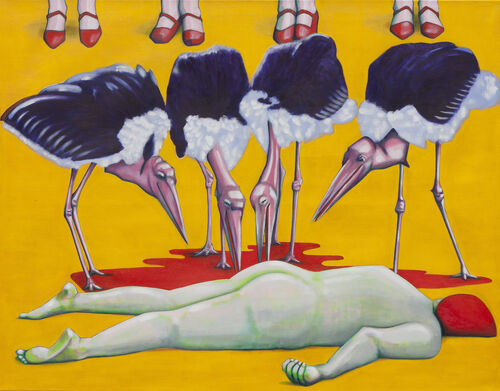
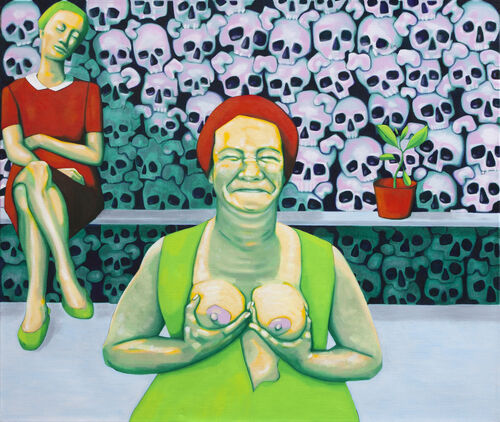
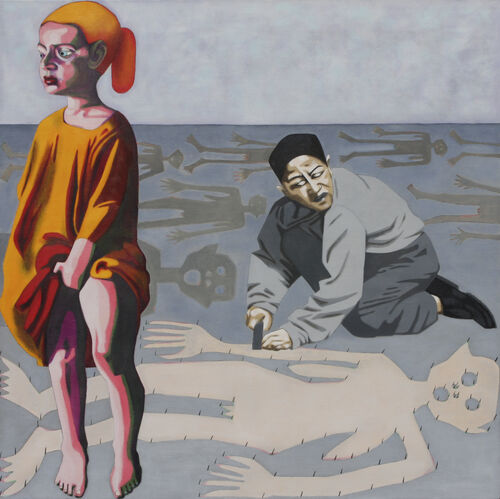
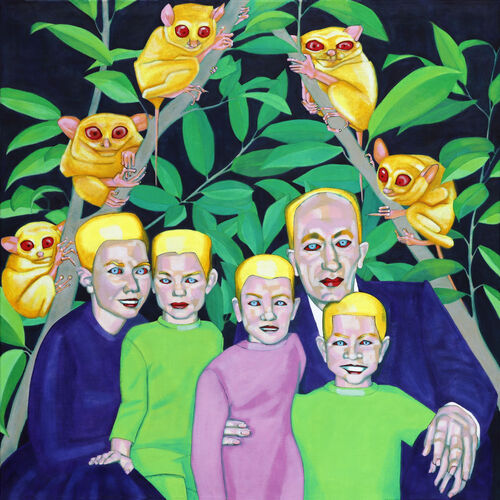
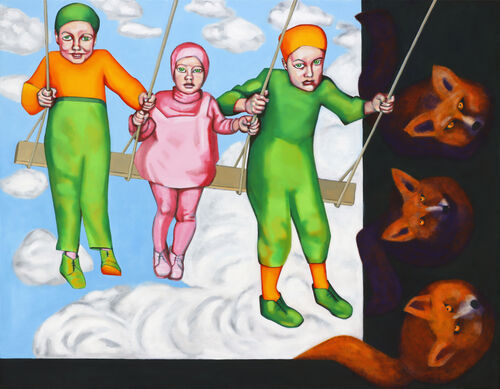
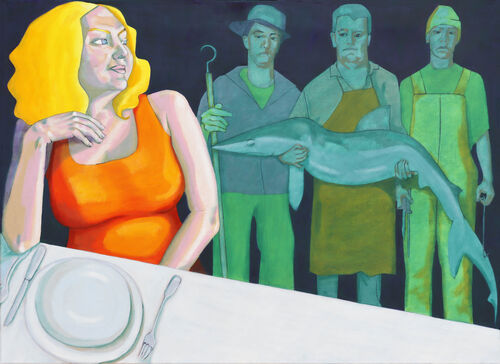
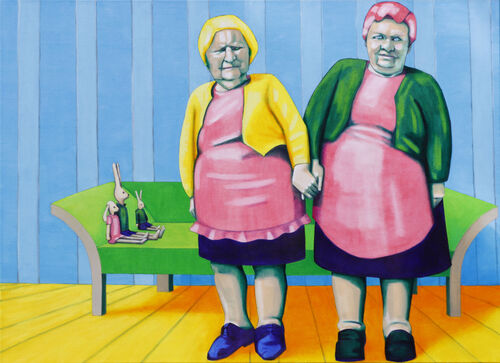
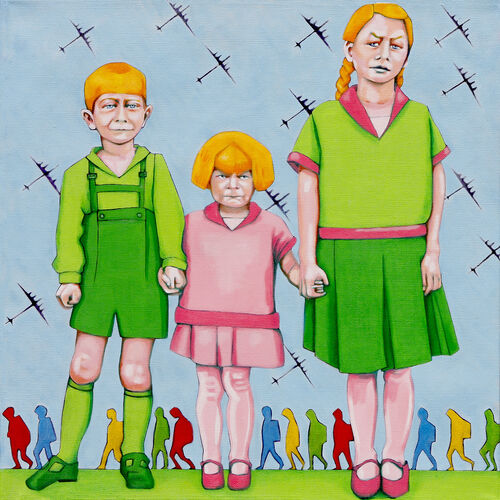
Through June 27, Elvira Flamm is showcasing three works from her series Ikonen ohne Namen (Icons without Names) in the Made in Berlin Art Award 2026 exhibition. She was selected as one of 20 artists for the show at the BBA Gallery.