Bibliothèque nationale de France, Département des Manuscrits
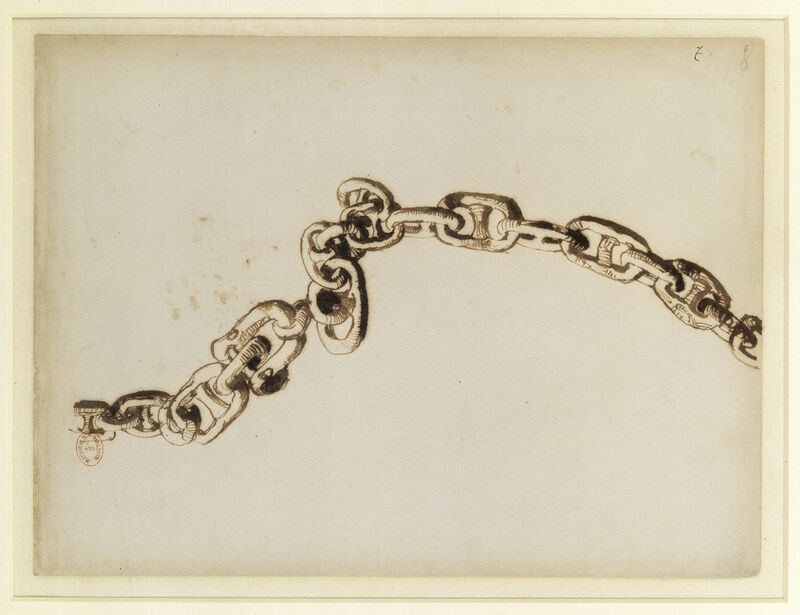
Victor Hugo, Chain, 1864. Pen and brown ink on paper, 19.2 x 26 cm


Victor Hugo is considered one of the most famous French writers. Less well known are his drawings, which Hugo showed almost exclusively in private during his lifetime. From March 21, the Royal Academy of Arts in London will be presenting around 70 of his drawings in Astonishing Things: The Drawings of Victor Hugo, which cover an impressive range.
Books for the public, drawings for the private: that was the attitude of the famous writer Victor Hugo (1802-1885). The author and politician, who is best known today for his novels The Hunchback of Notre-Dame (1831) and Les Misérables (1862), sought his private refuge in drawing. He produced caricatures, especially in his younger years, and later also travel drawings, landscapes and experimental abstractions. During his lifetime, Hugo showed his works almost exclusively to family and close friends; they were only very rarely exhibited in public. The drawings impressed various artists; Vincent van Gogh described them as »astonishing things«. Other artists such as André Breton and Max Ernst described how Hugo's drawings served as inspiration for them. The Royal Academy of Arts is showing 70 selected works in the exhibition Astonishing Things: The Drawings of Victor Hugo, which can be seen in London from March 21 to June 29. The last time Hugo's drawings were part of an exhibition in the United Kingdom was over 50 years ago.
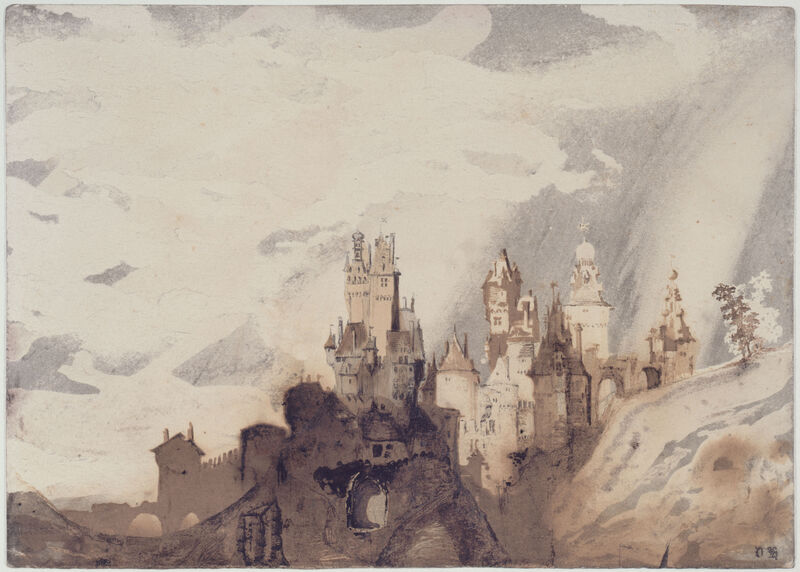
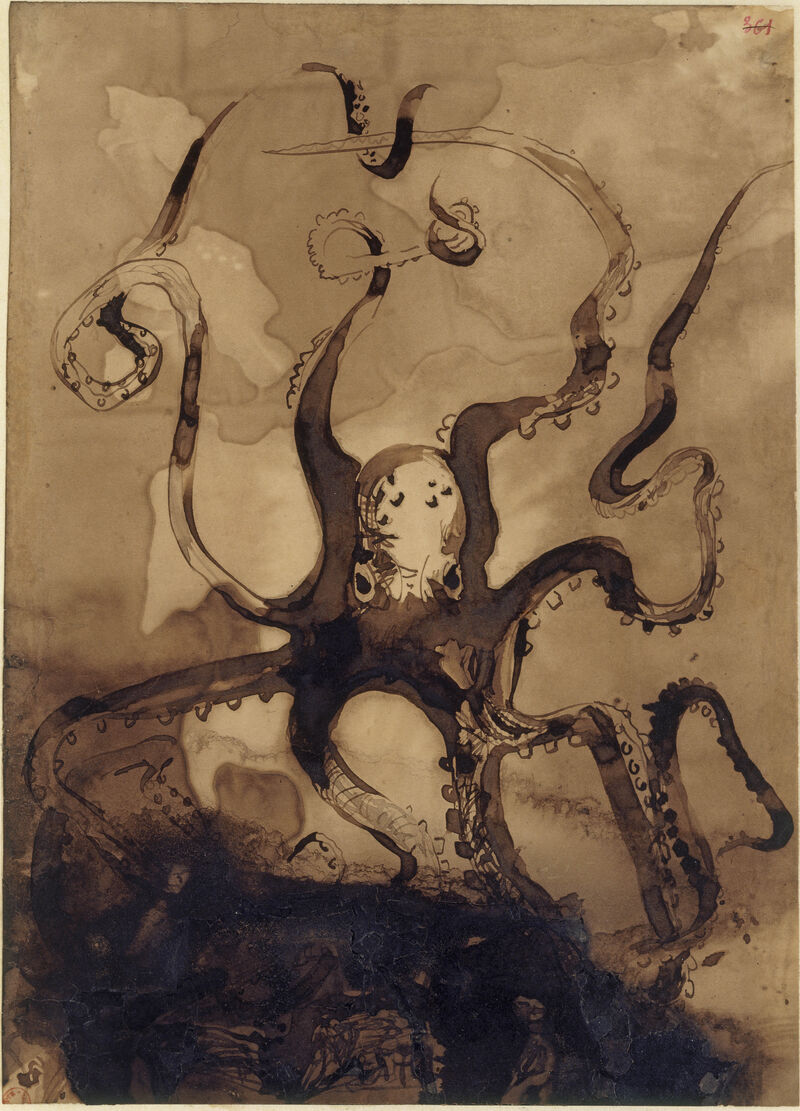
The show with the rarely shown exhibits is divided into four sections. It begins with Writing and Drawing, which illustrates the relationship between Hugo's artistic and literary work. Hugo saw a common foundation in both, based on his views on culture and humanity. Observation and Imagination shows landscapes and buildings that Hugo drew from real-life models. Fantasy and Reality, on the other hand, focuses on Hugo's enthusiasm for castles. In his works, Hugo combines memories of real-life examples, which he mixes with freely invented architecture and landscapes. Hugo also experimented with printmaking to depict his castles, as visitors will learn in this section. The final section is Ocean, Hugo's artistic leitmotif. Here you can also see photos of Hugo on the beach during his exile on the island of Jersey, which his sons took of him.
As part of the InterNationalgalerie series, the Alte Nationalgalerie invites other institutions to exhibit in its own spaces. Kicking off the series on June 18 is the National Museum in Warsaw with the exhibition Inventing Myths.
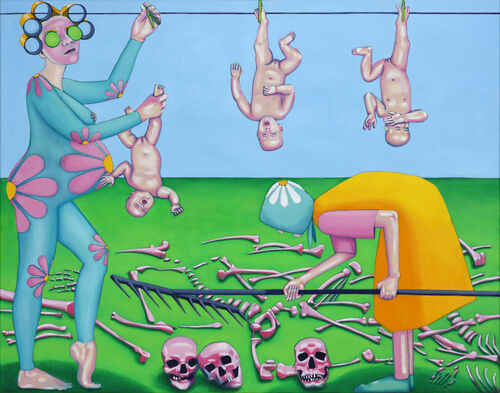
Through June 27, Elvira Flamm is showcasing three works from her series Ikonen ohne Namen (Icons without Names) in the Made in Berlin Art Award 2026 exhibition. She was selected as one of 20 artists for the show at the BBA Gallery.