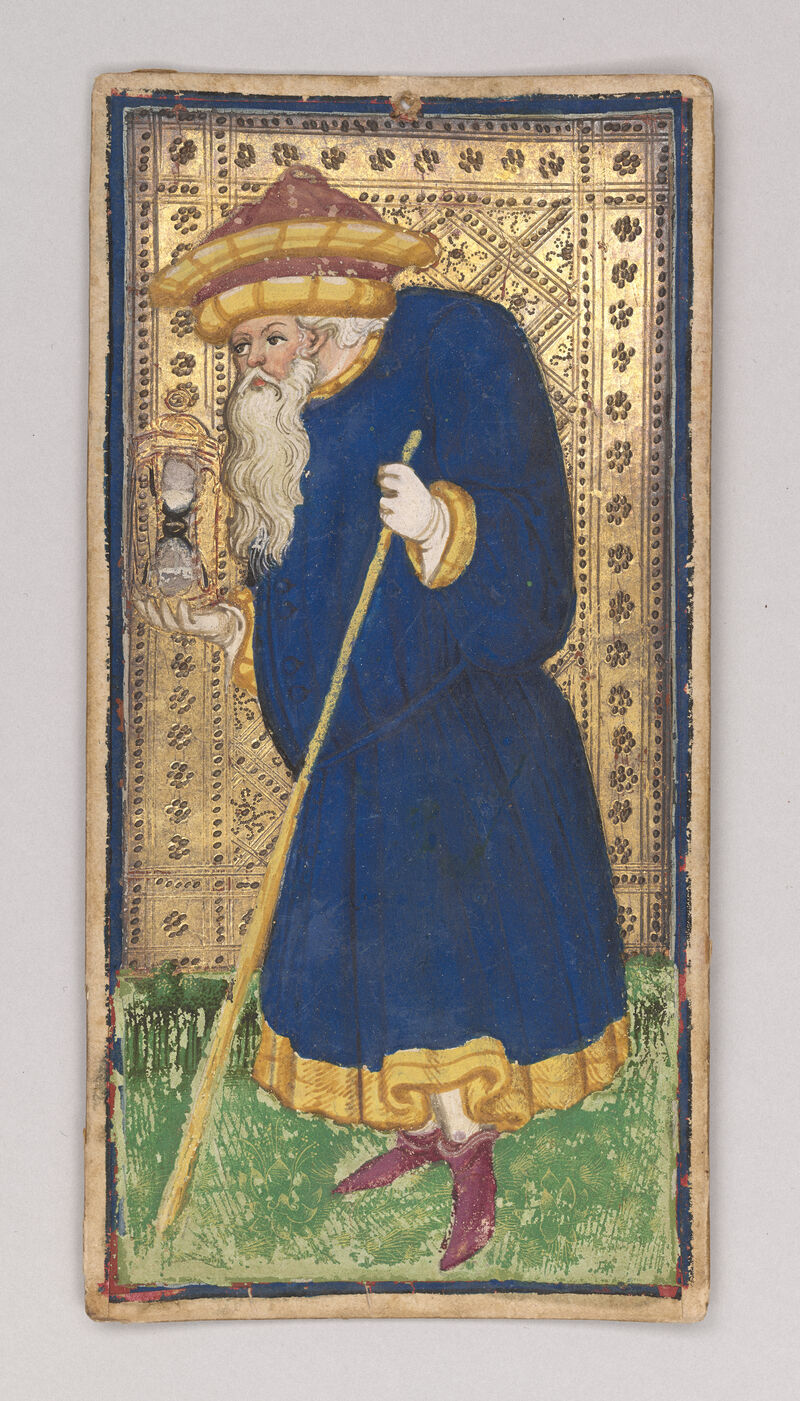
Bonifacio Bembo, Time from the Visconti-Sforza Tarot Cards. Italy, Milan or Cremona, ca. 1456-58. The Morgan Library & Museum, MS M.630.12.


In a two-part exhibition, the Morgan Library & Museum presents 15th-century tarot cards designed by artists, as well as their influence on cards from the 20th and 21st centuries. Tarot! Renaissance Symbols, Modern Visions opens on June 26 in New York.
It is the most famous surviving deck of cards from the 15th century: the Visconti-Sforza Tarot cards were commissioned to mark the marriage of two powerful families from Milan and were most likely designed by the painter Bonifacio Bembo. The various cards are adorned with symbolic images that offer insights into the courtly cultural life of the early Renaissance. At that time, tarot was a game of skill. Today’s association of tarot cards with the occult did not emerge until the 18th century—influenced by the symbolic imagery, which was reinterpreted. The Morgan Library & Museum in New York is exhibiting a selection of 45 cards from this deck, as well as others from the Visconti di Modrone Tarot and the Brambilla Tarot. Most of the centuries-old playing cards on display are being shown in North America for the first time.
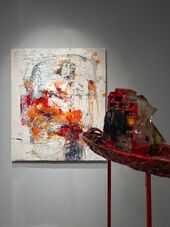
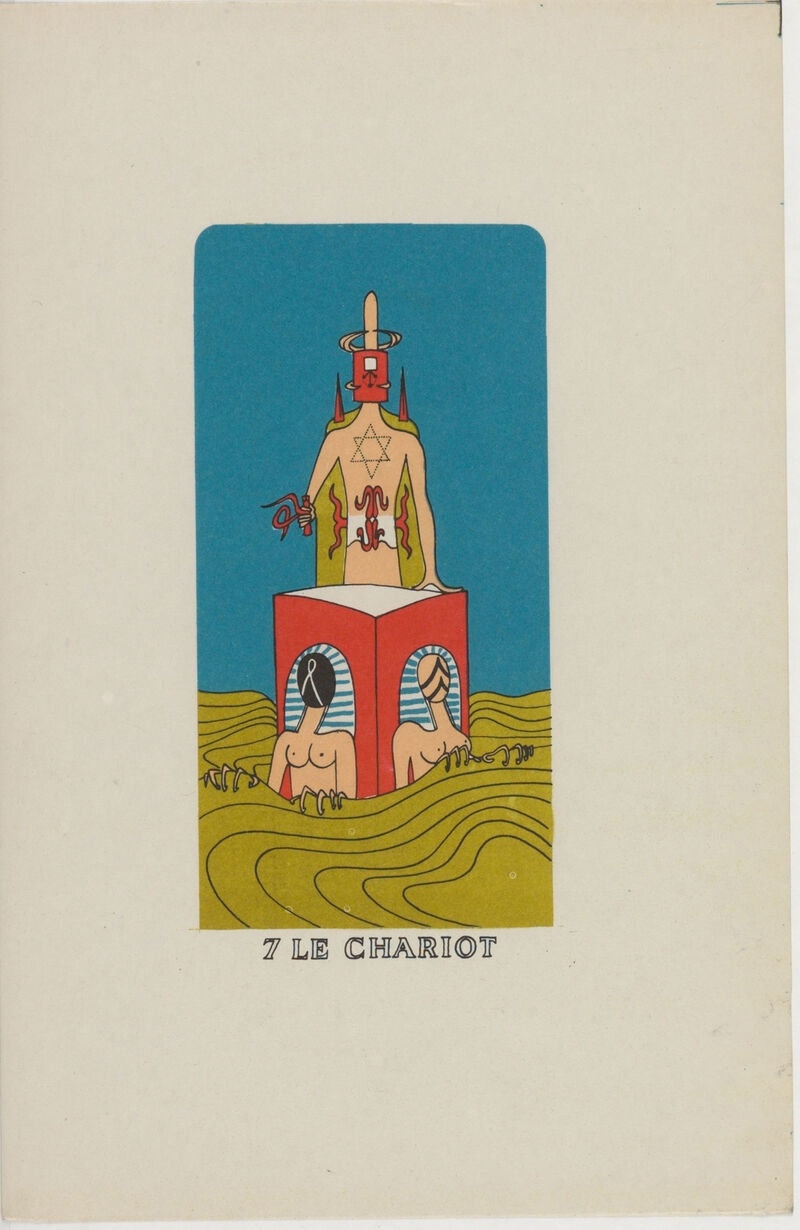
The second part of the exhibition Tarot! Renaissance Symbols, Modern Visions is dedicated to artistically designed tarot cards from the 20th and 21st centuries, including works by Kerstin Brätsch, Victor Brauner, André Breton, Leonora Carrington, Marcel Dzama, Patricia Colman Smith, Robert Matta, Chris Ofili, Betye Saar, Niki de Saint Phalle, and Remedios Varo. For them, the tarot offered an extension of modernist aesthetics, access to other, fantastical worlds, and even an alternative to patriarchal social structures. The focus is on the Surrealists, who increasingly turned to magic and the occult during the rise of fascism in 1930s Europe, and the counterculture of the 1960s in the United States. A special highlight of the exhibition, which runs from June 26 to October 4, is a tarot deck by the British painter and occultist Austin Osman Spare, dating from around 1906 and only recently discovered.
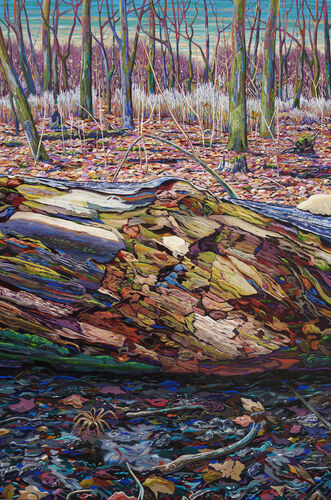
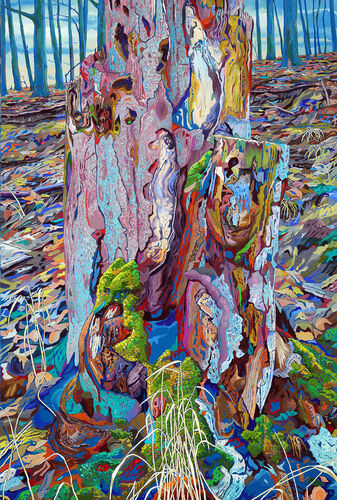
Continuation of the anniversary exhibitions: In 2026, Georg Brandner will celebrate his 70th birthday and his 50th anniversary as a freelance artist. He is presenting his works in various Austrian cities, with the next stop being Wolfsberg: On June 30 at 6:30 p.m., the exhibition Georg Brandner – 70 Years of Art will open at Galerie Atelier Berndt.
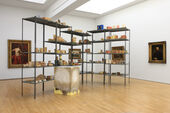
An exhibition on the conservation and restoration of unusual materials in works of art: On June 27, the Stedelijk Museum voor Actuele Kunst in Ghent will open the exhibition Joseph Beuys | Wirtschaftswerte: a conservation history, centered on Beuys’s renowned work.