A penchant for dream worlds, the night and a special feeling for nature: the art and poetry of Romanticism were among the most important sources of inspiration for Surrealism. In Rendezvous of Dreams. Surrealism and German Romanticism, the connection is presented in great detail. The exhibition opens on June 13 at the Hamburger Kunsthalle.
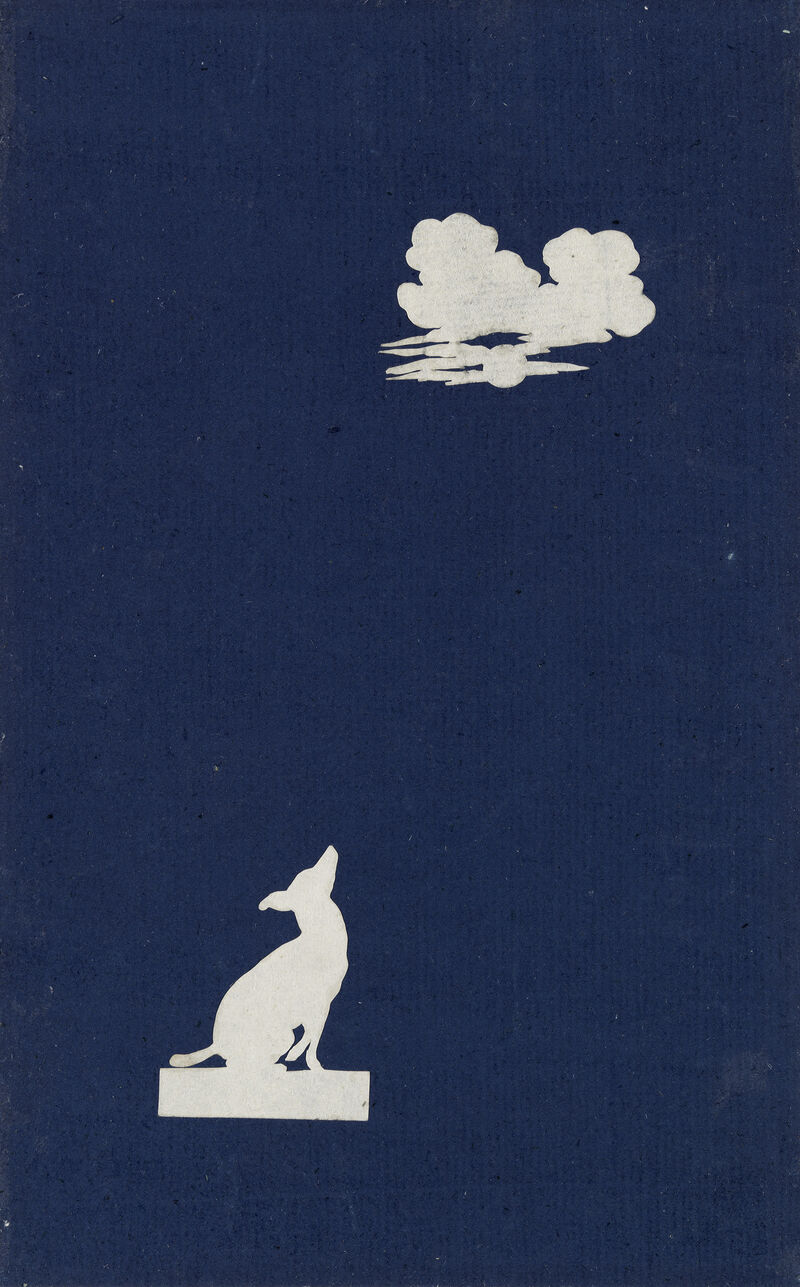
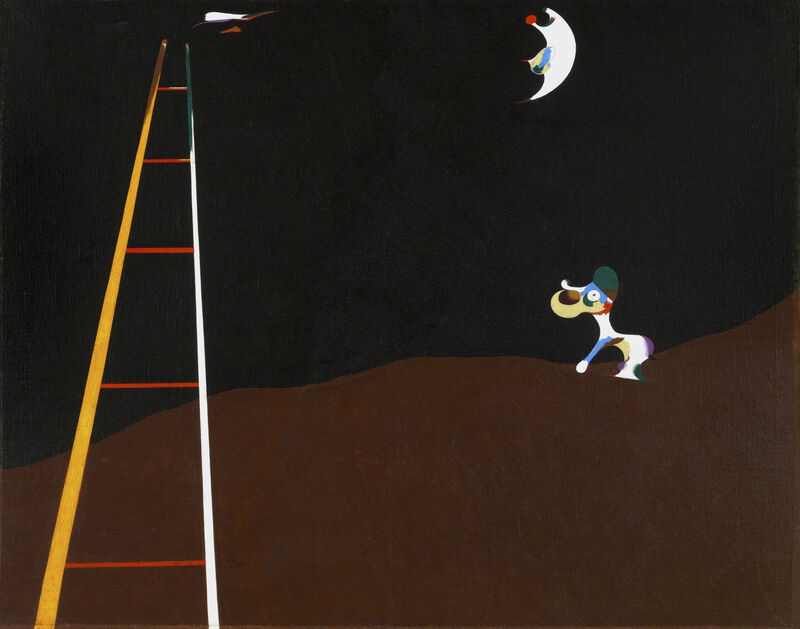
Joan Miró (1893–1983), Hund den Mond anbellend (Chien aboyant à la lune), 1926, Öl auf Leinwand, 73 x 92,1 cm, Philadelphia Museum of Art: A.E.Gallatin Collection, 1952

The thematic proximity can already be found in André Breton's surrealist manifesto from 1924: German Romanticism was one of the most important sources of inspiration for Surrealist artists. Dreams, the supernatural and nature in transition are just some of the focal points that link the two art movements. The exhibition Rendezvous of Dreams. Surrealism and German Romanticism reveals the relationship between Surrealism and Romanticism and offers new perspectives on already familiar works of art. The show runs at the Hamburger Kunsthalle from June 13 to October 12. It was previously shown in a modified form at the Centre Pompidou in Paris, among others, and will then open at the Philadelphia Museum of Art on November 8.
Around 180 works of Surrealism are juxtaposed with 60 works of Romanticism. World-famous paintings are juxtaposed with lesser-known works, some of which have never been shown in an exhibition before. The Surrealist works are by Victor Brauner, Salvador Dalí, Max Ernst, Valentine Hugo, Paul Klee, René Magritte, André Masson, Joan Miró, Meret Oppenheim and Toyen, among others, while the Romantic works are by Caspar David Friedrich and Philipp Otto Runge, for example. The influence of Romantic poetry, exemplified by Novalis, Heinrich von Kleist and Karoline von Günderrode, is also explained. In addition to works of art from the collection of the Hamburger Kunsthalle, numerous loans from the Museum of Modern Art in New York, the Tate in London, the Museum Ludwig in Cologne and international private collections are on display.
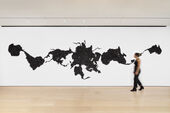
Through works of art from the past 25 years, the Vancouver Art Gallery explores the connection between contemporary art and climate change: Future Geographies: Art in the Century of Climate Change features over 35 works on view through January 10, 2027.
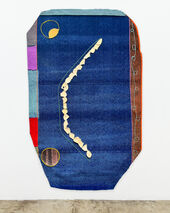
The Underground Gallery at Yorkshire Sculpture Park is hosting its first-ever group exhibition: Hold to This Earth: Works by Contemporary Indigenous North American Artists from the Tia Collection brings together 67 works by 38 artists. The exhibition opens on June 13.